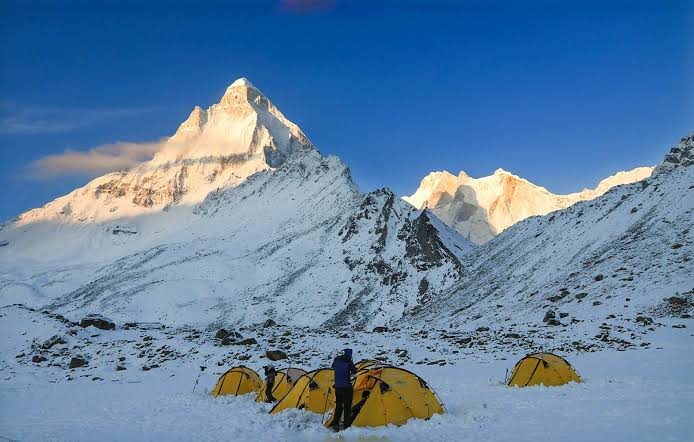
Trek to Gaumukh, the source of the Ganga
Four days through Gangotri pine forests to the snout of a glacier — the first drop of the river that feeds half a billion people.
Fifty things to do in India
Not a bucket list. Fifty specific things worth crossing the country for — and the Iraava home to do each one from.
Four days through Gangotri pine forests to the snout of a glacier — the first drop of the river that feeds half a billion people.
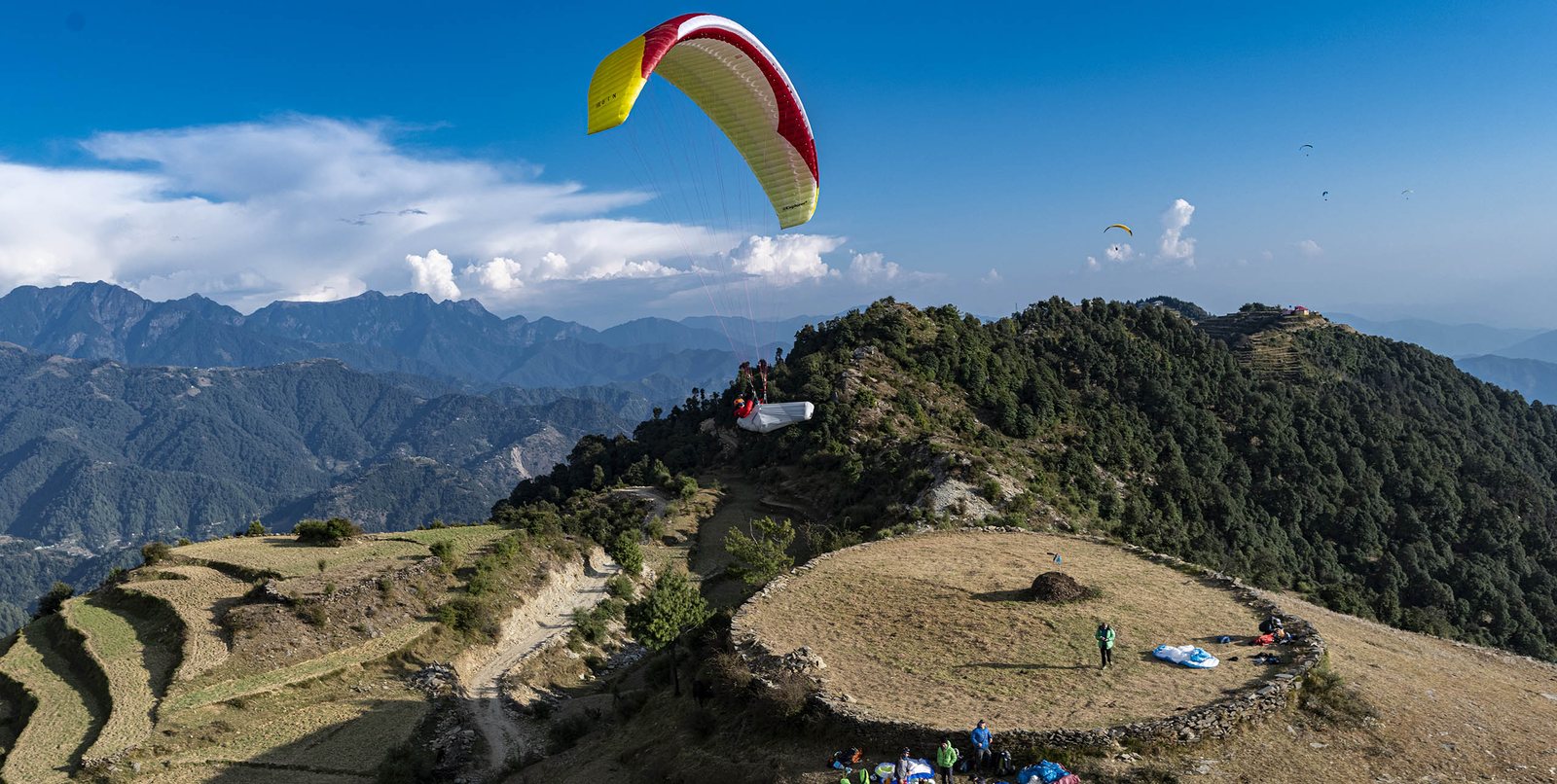
The world's second-highest paragliding take-off. Run ten paces, step off, and watch the Dhauladhars slide beneath your knees.
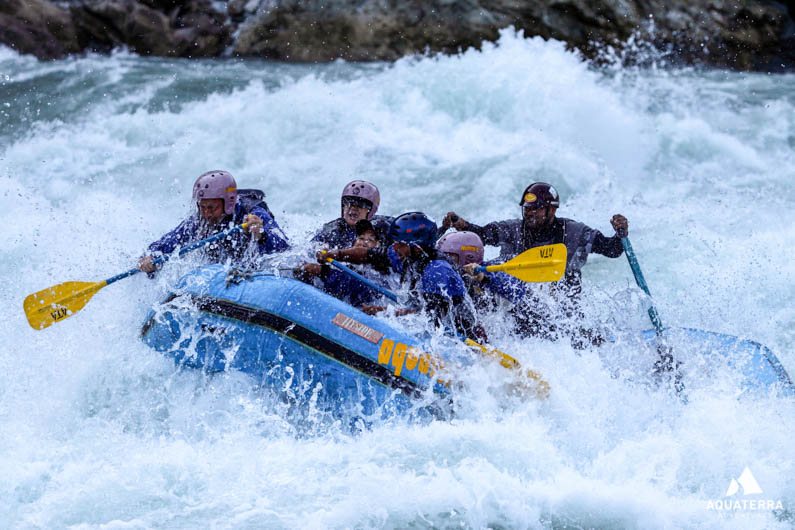
Seven days, grade IV+ water, no phone signal — one of the last untouched big-river runs left on earth.
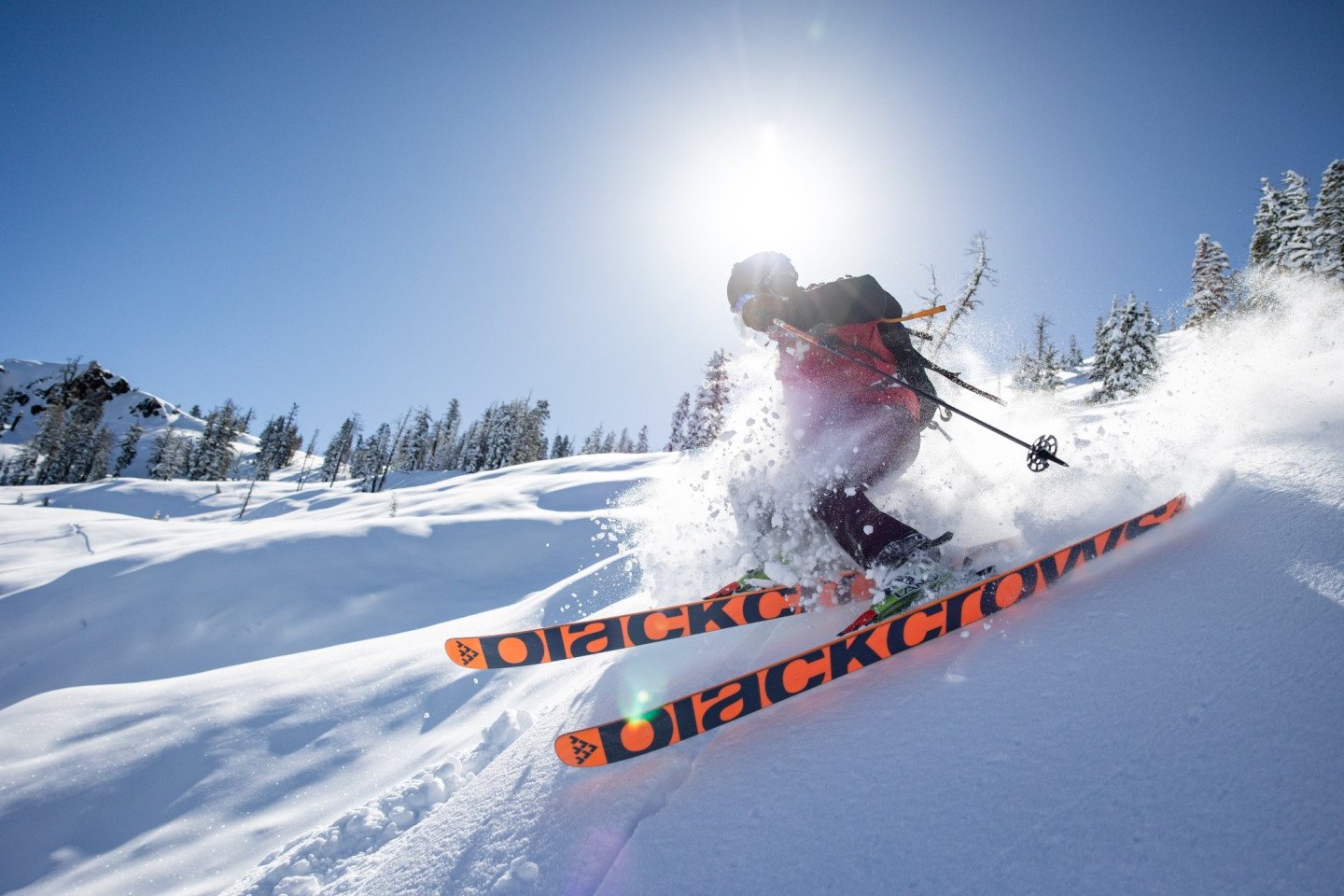
Asia's highest gondola lifts you to 13,000 ft of untracked snow. December to March, it is a different country.
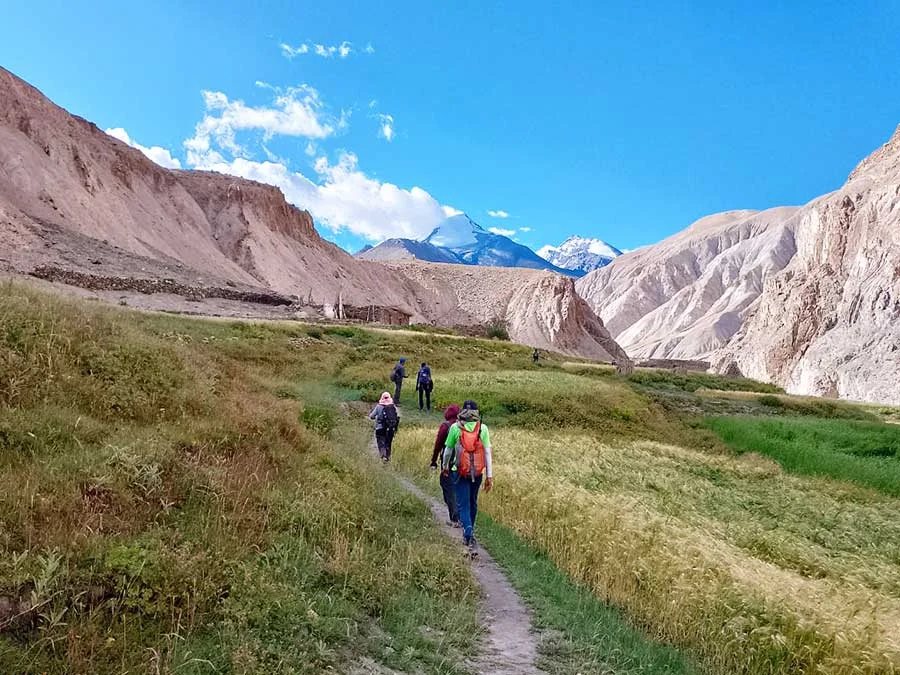
Seven days through high desert, monastery-villages, and one 17,000-ft pass — sleeping in family homestays, not tents.
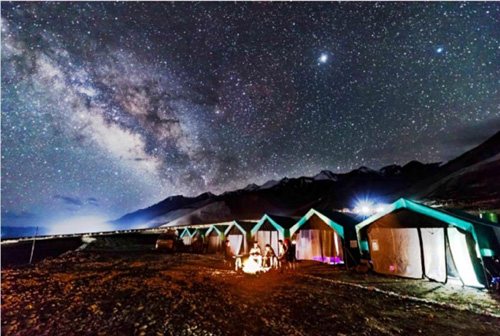
India's first dark-sky reserve. The lake turns from turquoise to ink. The galaxy you forgot existed comes back.
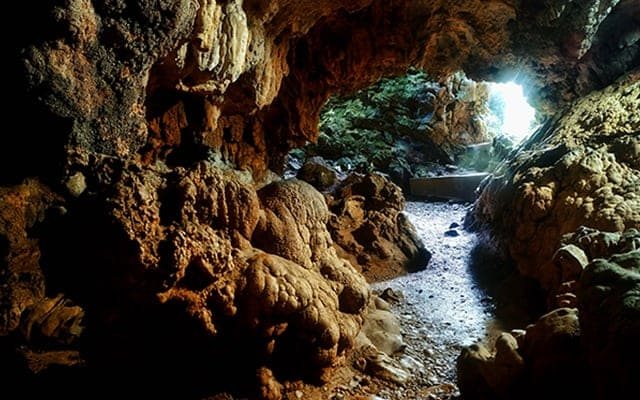
The world's wettest place hides the longest cave systems in the subcontinent. River caves, formations, total dark.
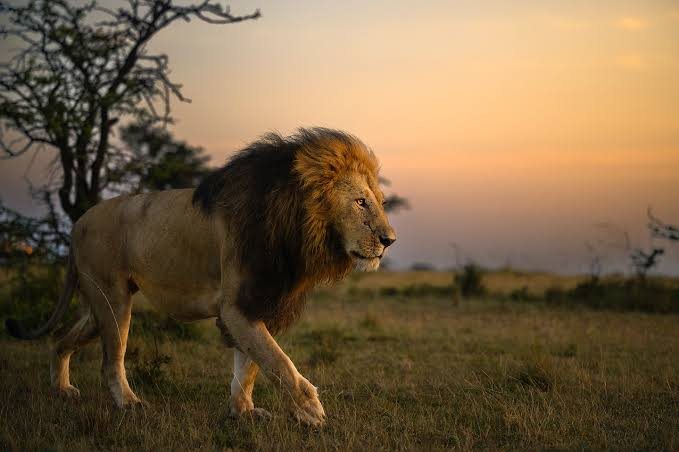
The highest tiger density on earth. The point isn't always seeing one — it is learning to wait the way the forest waits.
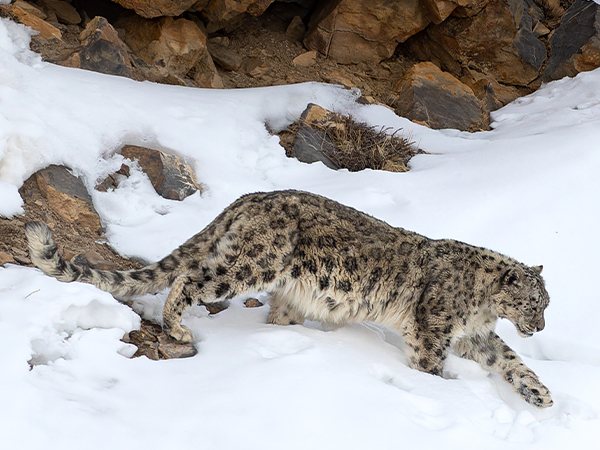
The hardest mammal sighting in the world. Two weeks of −20°C patience, with the best naturalists in the Himalaya. Worth it.
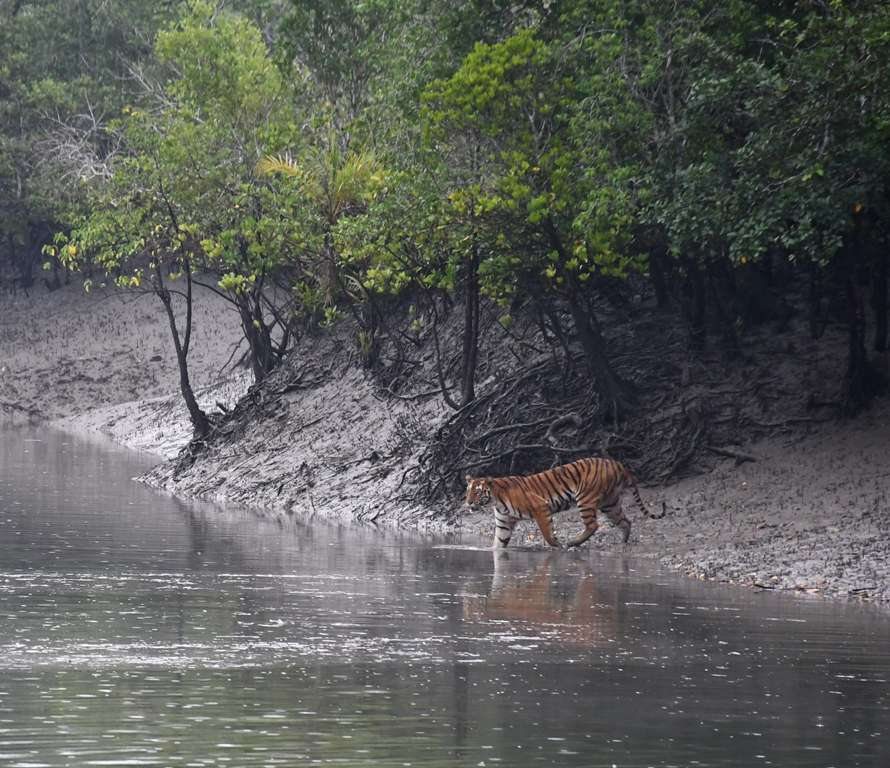
The only mangrove where tigers swim. You don't see one — you see the pugmarks, the still water, the silence.
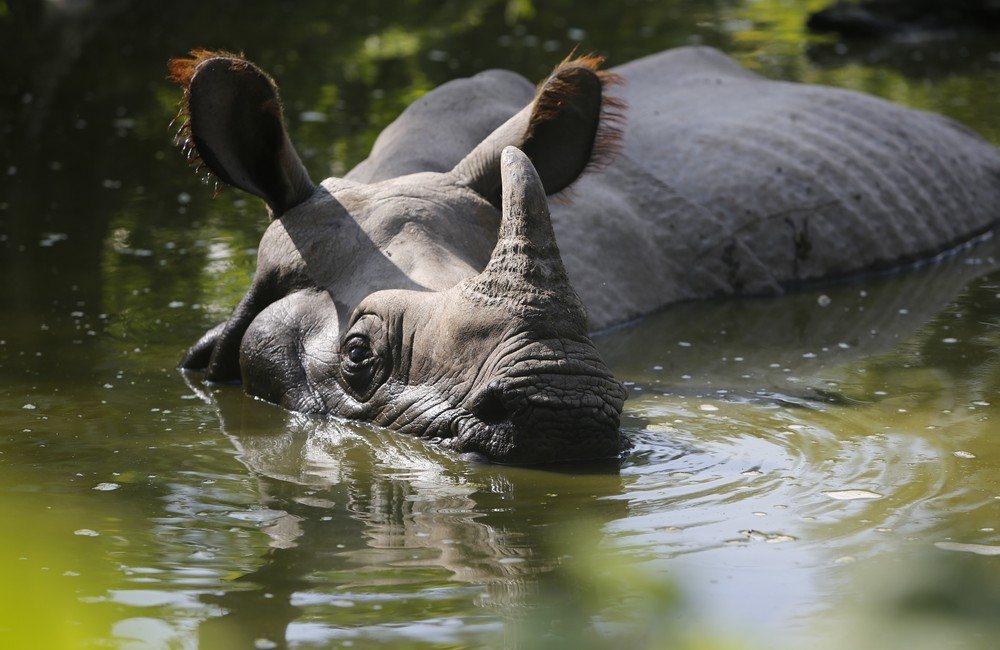
Two-thirds of the world's great Indian rhino population on the floodplain where the Brahmaputra changes its mind every monsoon.
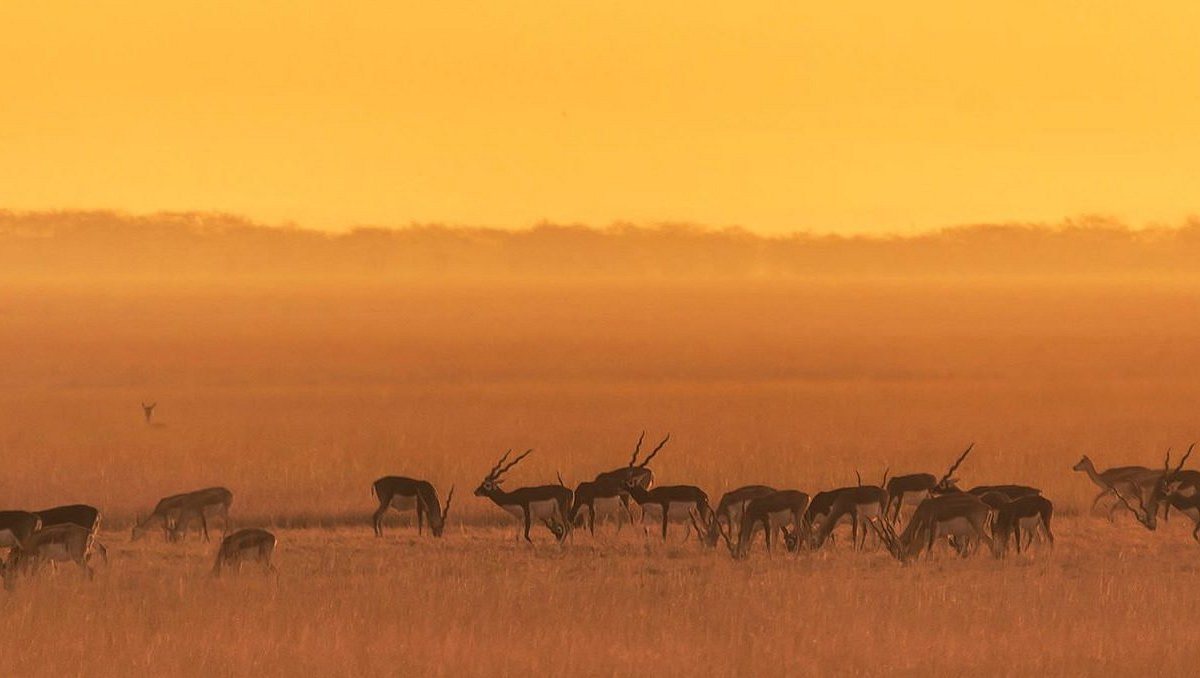
Open grasslands, hunting wolves, harriers roosting at dusk in their thousands — Africa transplanted to coastal Gujarat.
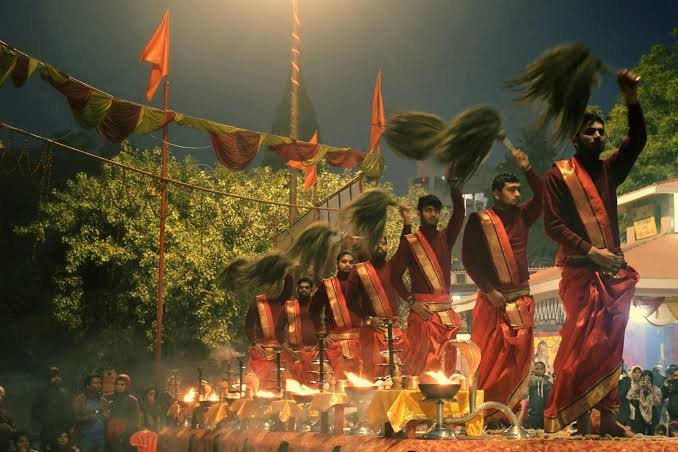
Be on the river before the first light. Watch a city older than recorded history begin its day in the only way it knows.
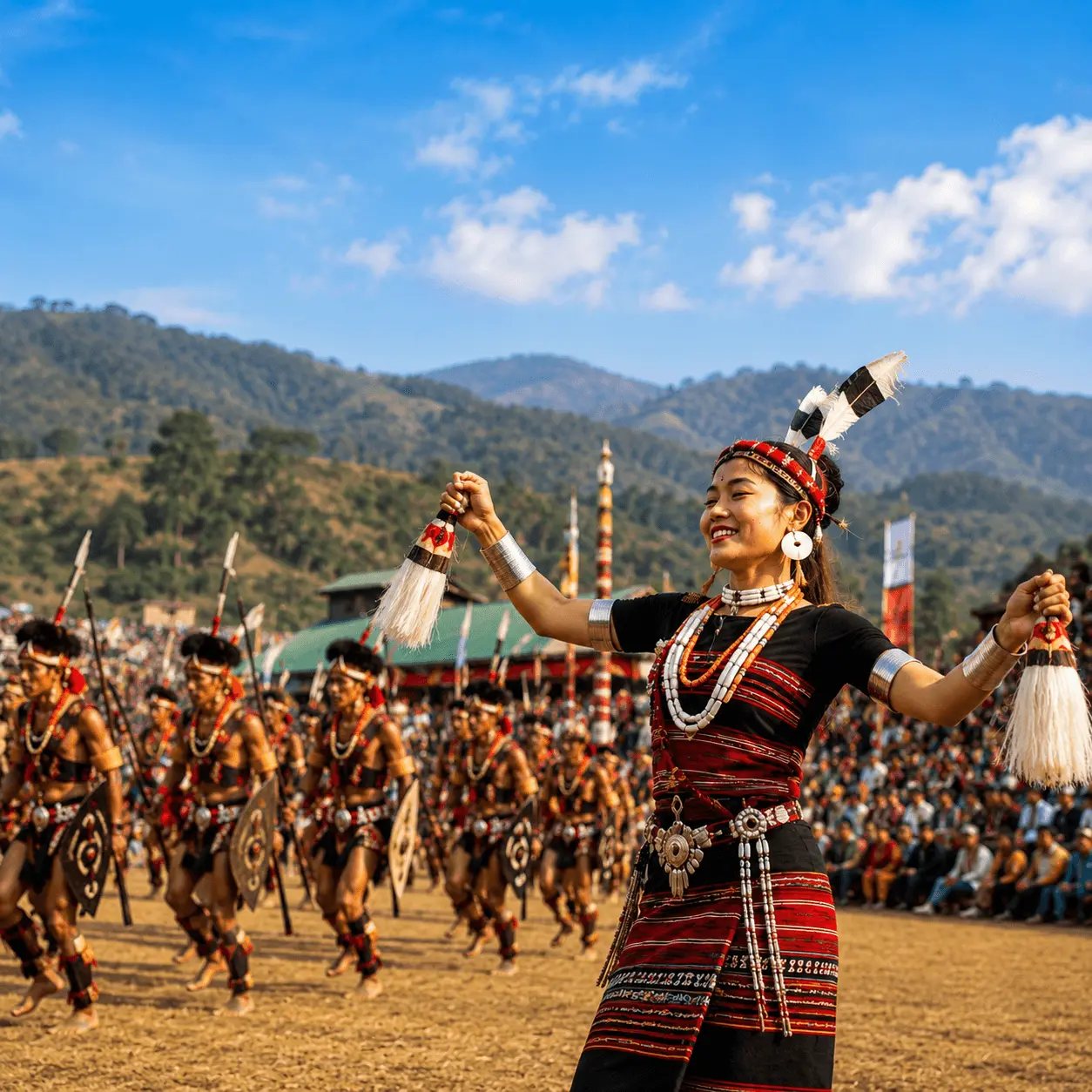
Sixteen Naga tribes, ten days every December — log drums, fire dances, fermented rice beer, warrior dances you cannot see anywhere else.
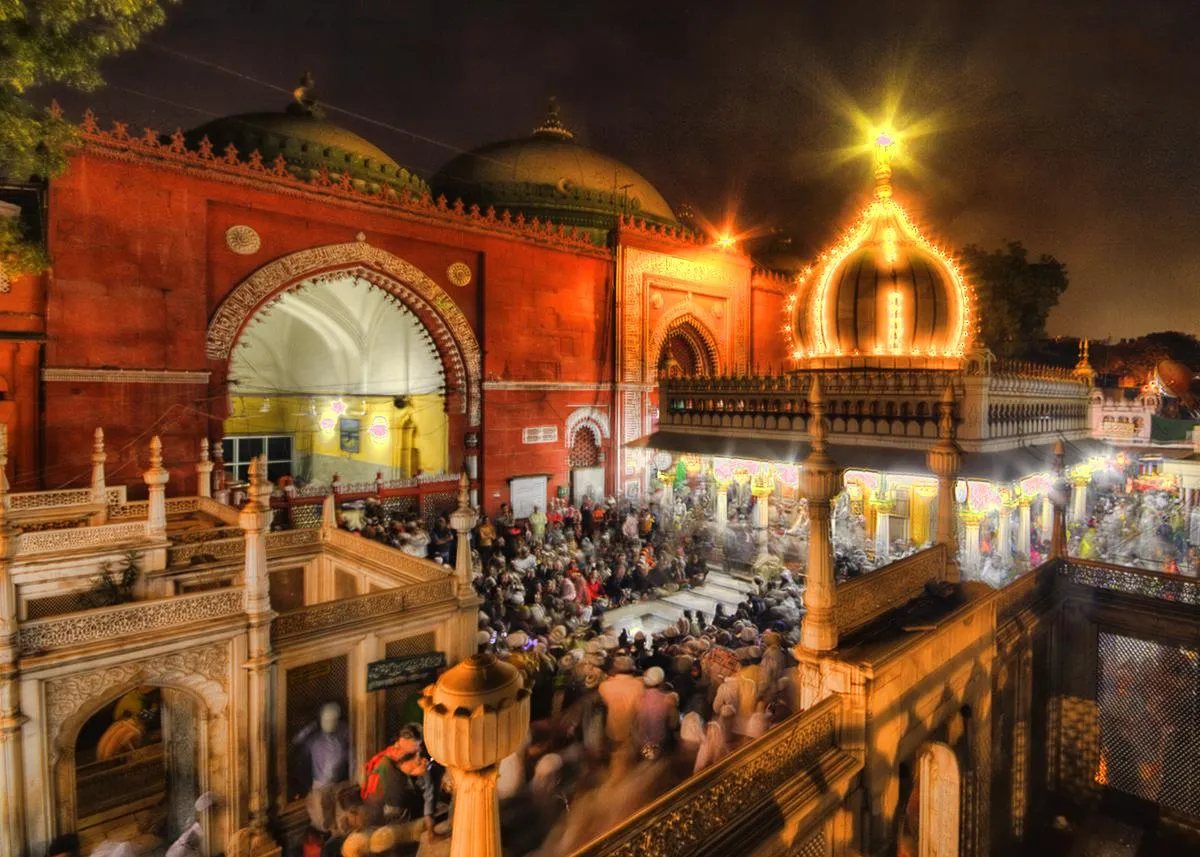
Sit on the dargah floor as the sun drops and the qawwals begin. Eight centuries of devotional music, unbroken, no microphone.
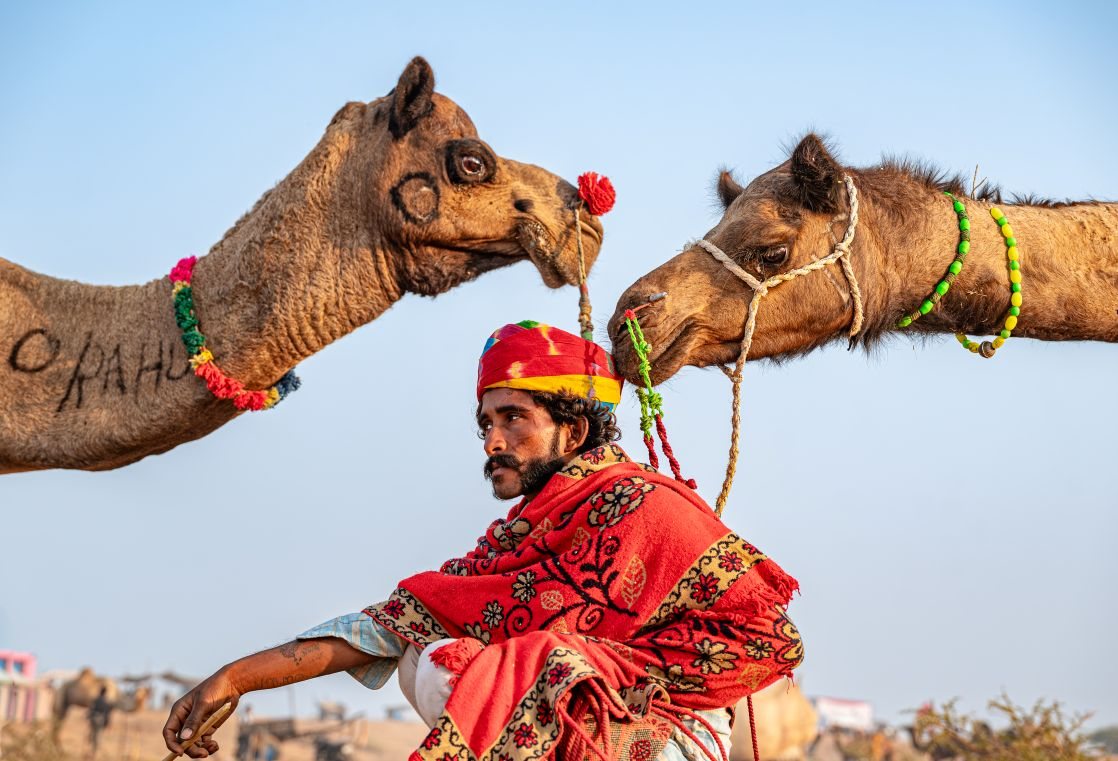
50,000 camels, traders from Sindh and Marwar, balloon races at dawn — five nights every November where the desert speaks Rajasthani only.
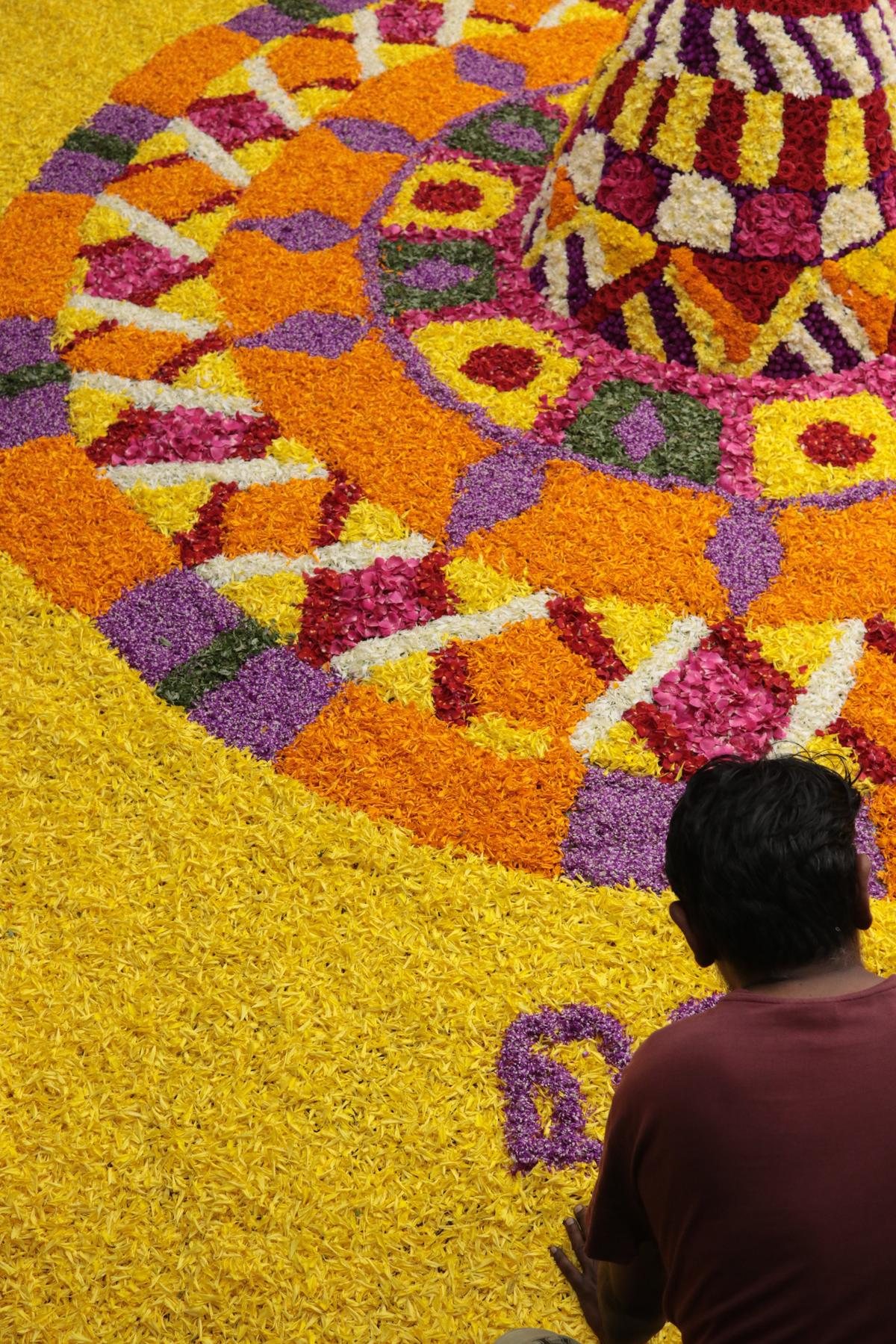
Every village square laid with flower carpets through the night. By 9 a.m. they are gone. You have to be there at six to know.
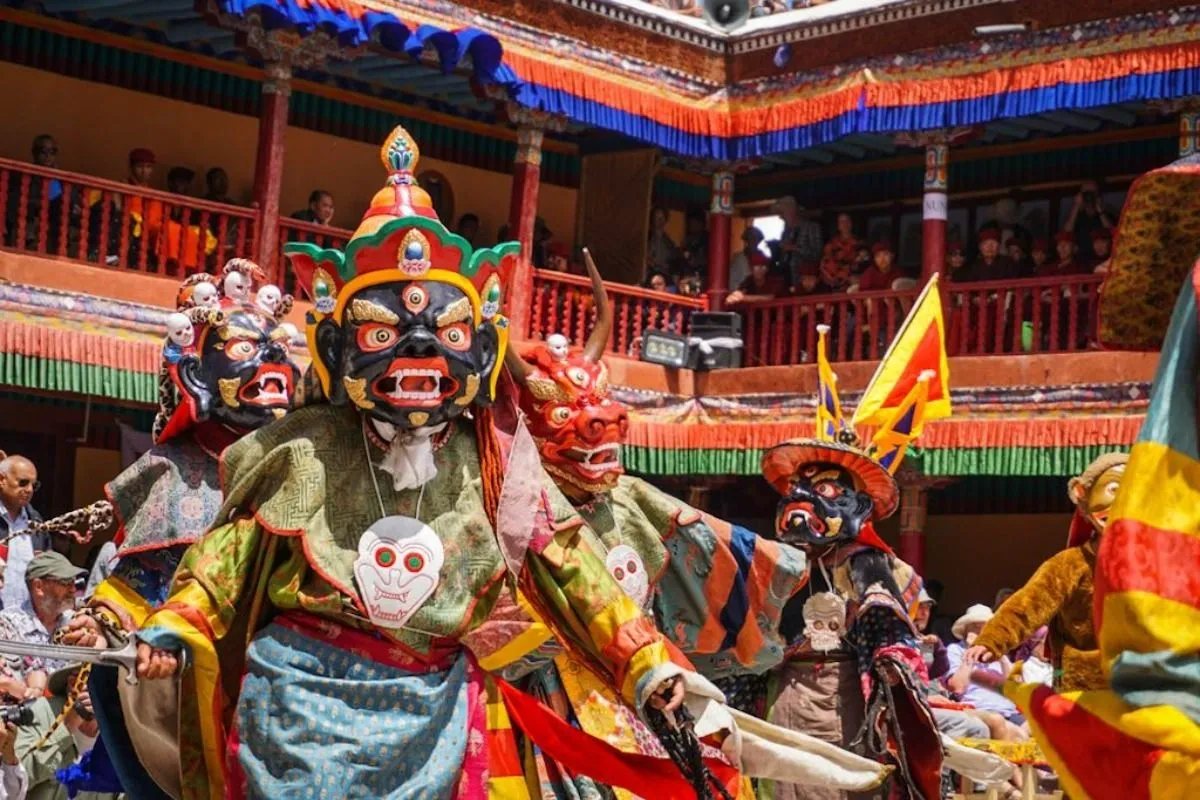
The Cham — masked monks, two-day spectacle, performed once a year in the cliff-side courtyard above the Indus.
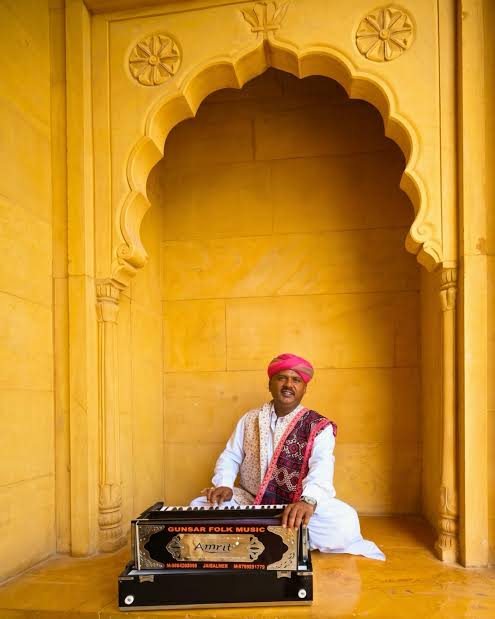
An hour from Jaisalmer, on the dunes, a family lineage that has played the same khartal repertoire for eleven generations.
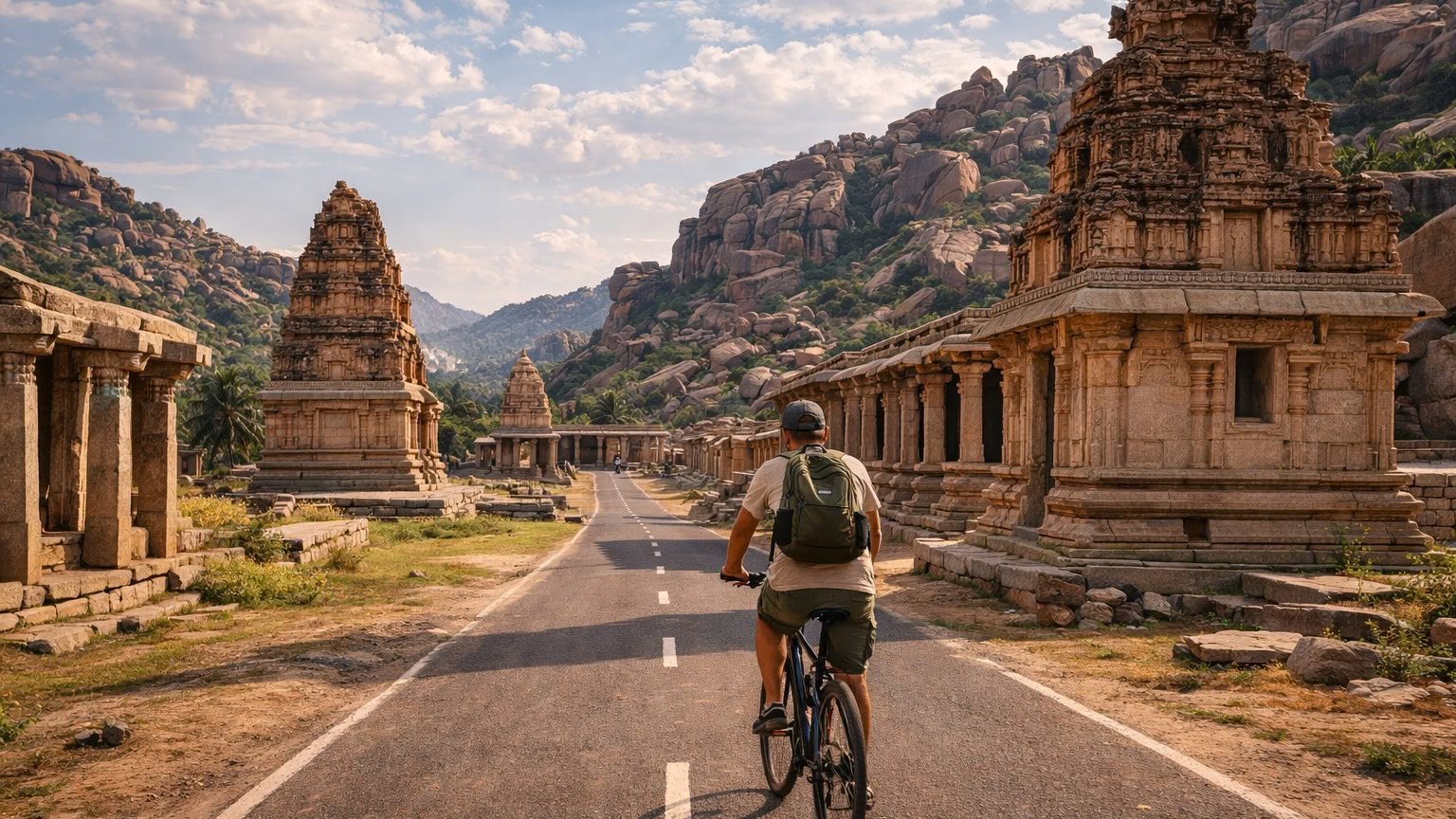
Get there before the buses. Three hours, a borrowed bicycle, the Vijayanagara empire's stone city entirely to yourself.
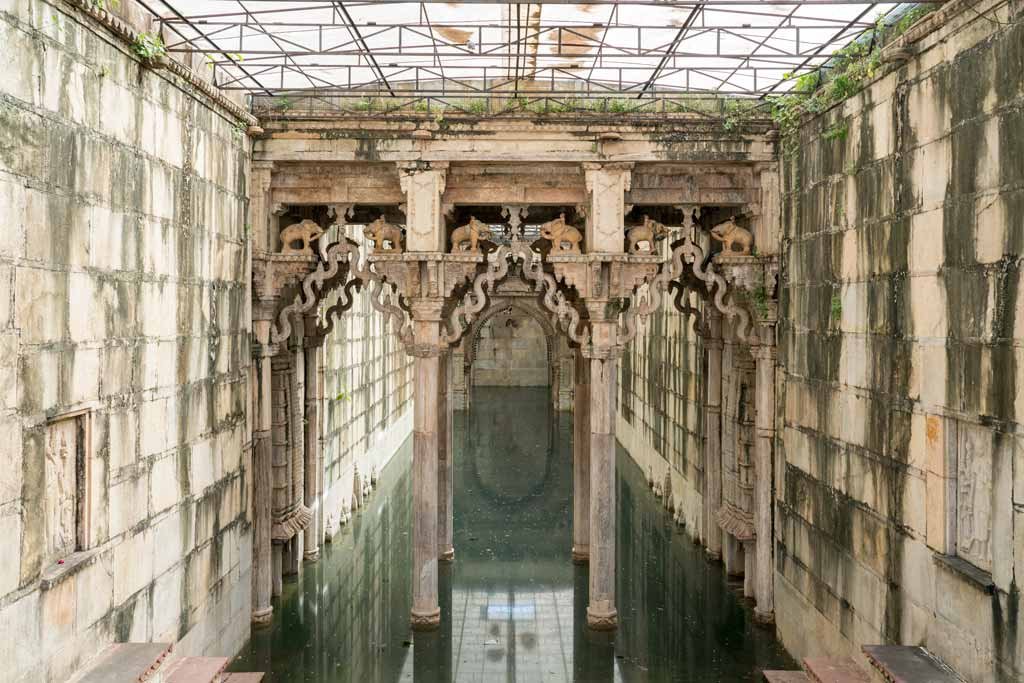
Eighty-four medieval baoris, frescoed havelis, almost no other tourists. The Rajasthan that existed before Rajasthan was a brand.
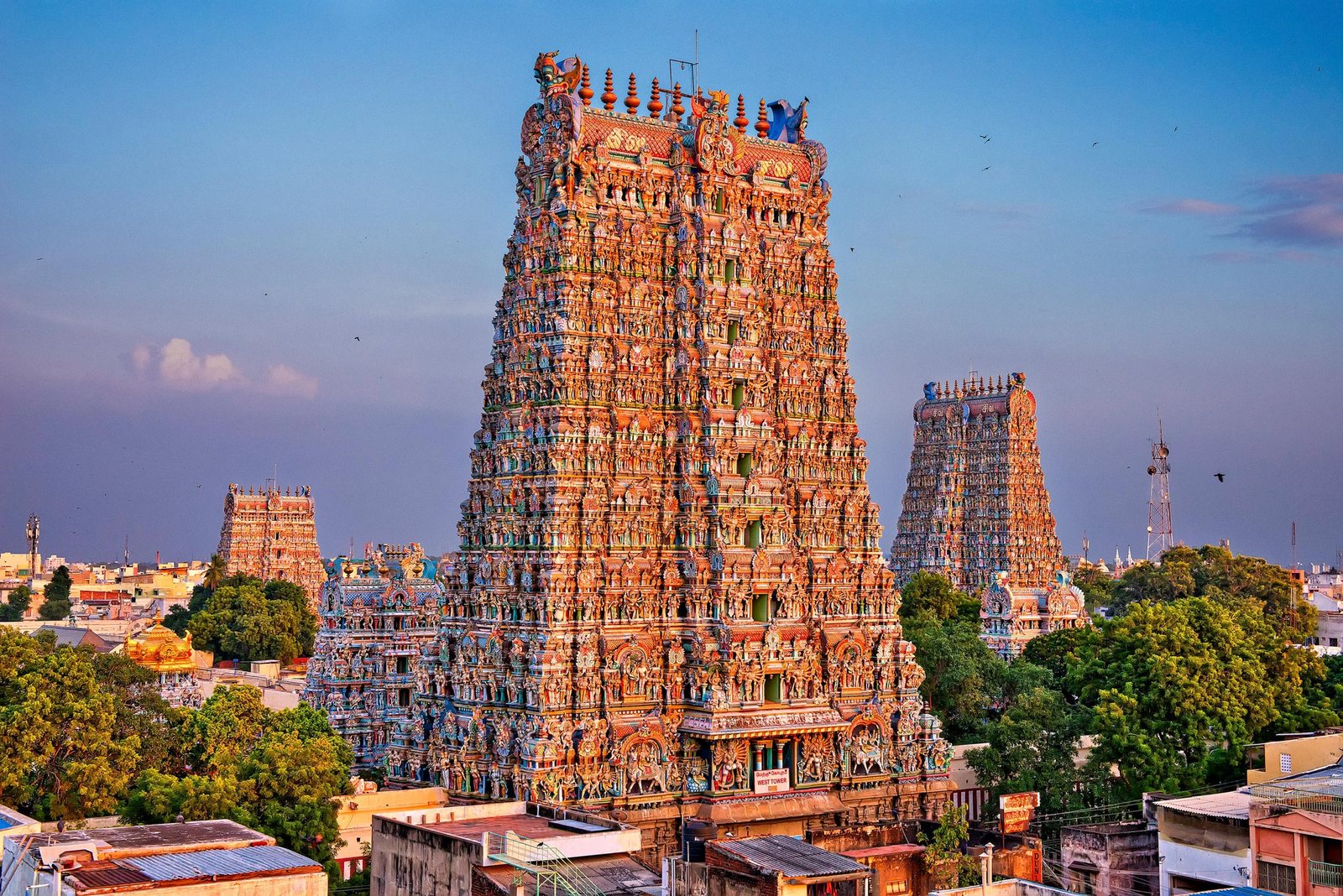
33,000 carved figures across thousand-pillared halls. The 9 p.m. closing ceremony is the moment the city pauses.
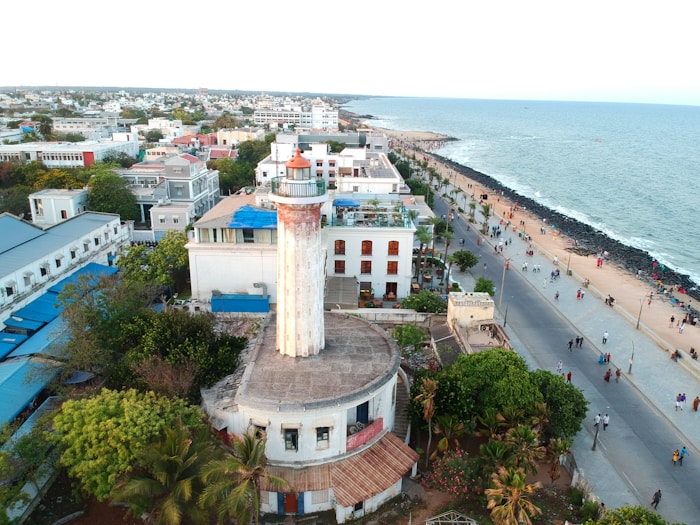
Yellow facades, no traffic, the bell of Notre Dame des Anges. Walk for an hour with a coffee and understand what colonial nostalgia is and isn't.
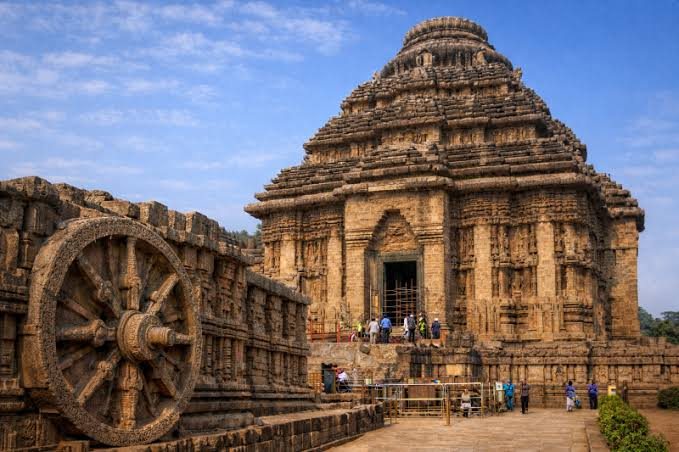
A chariot the size of a city, oriented so the dawn lights its inner sanctum once a year. Be there for it.
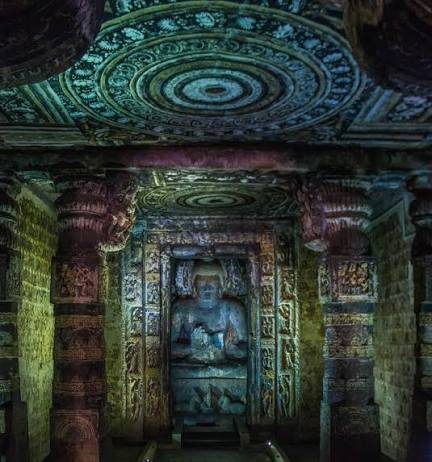
Buddhist rock-cut painting, second century BCE. When the guide re-illuminates the cave slowly, you see how the painters meant for you to see.
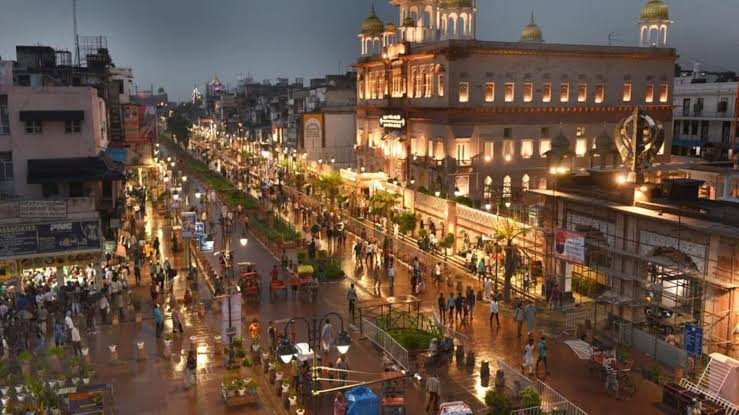
Old Delhi opens differently after 10 p.m. — paranthe wali gali, the all-night nihari at Karim's, jalebis on flame at 2 a.m. The meal of your life.
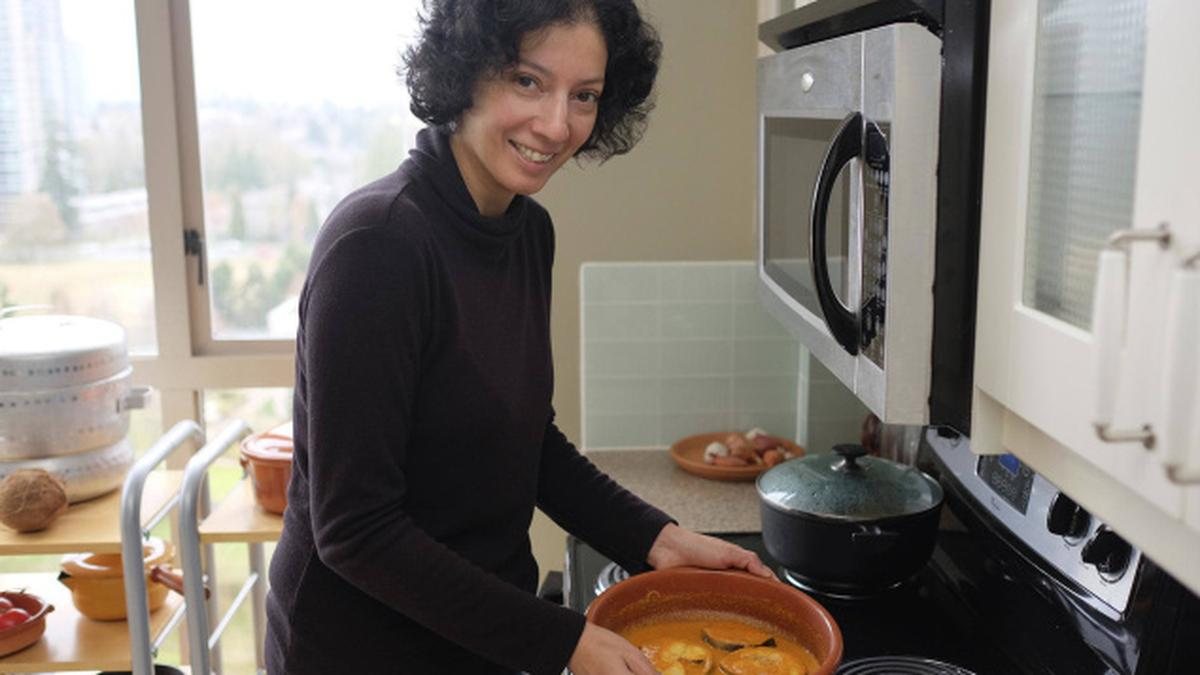
Pandi curry, kadambuttu, akki roti over a wood-fire, all hands-on, eaten at a long table with the family. The recipes don't exist online.
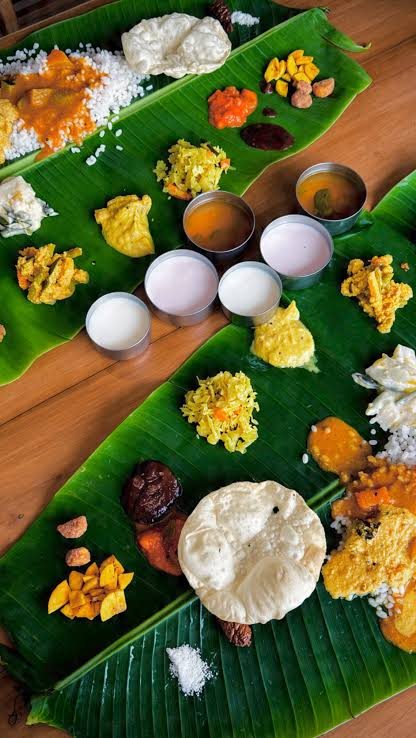
The Onam feast — every dish handed to you in a single sitting, eaten right to left in strict order. A meal that takes a lifetime to forget.
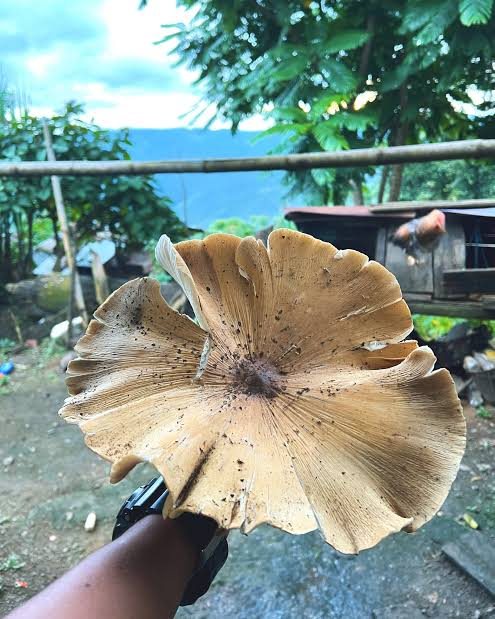
Six varieties, in the rain, on hillsides above Mawphlang. Eaten that night in a one-pot stew with bamboo shoot and tungrymbai.
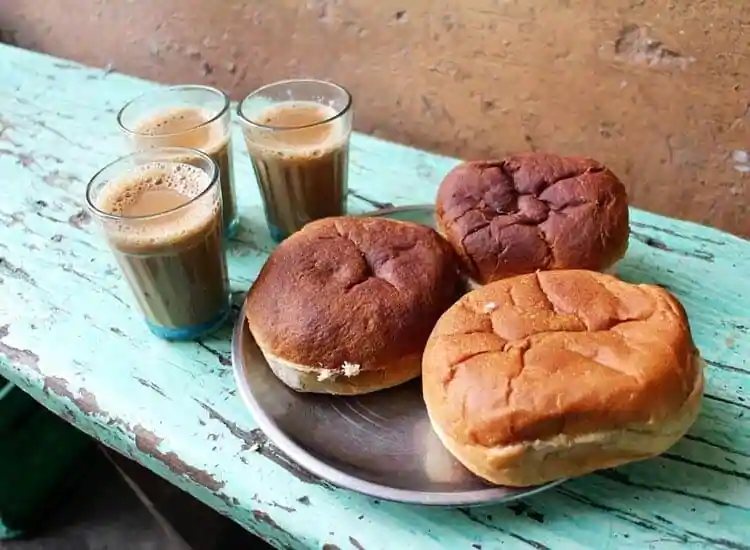
Hoshangabad to Pachmarhi, eight chai stops, each a different leaf, milk, masala. The road itself is the experience.
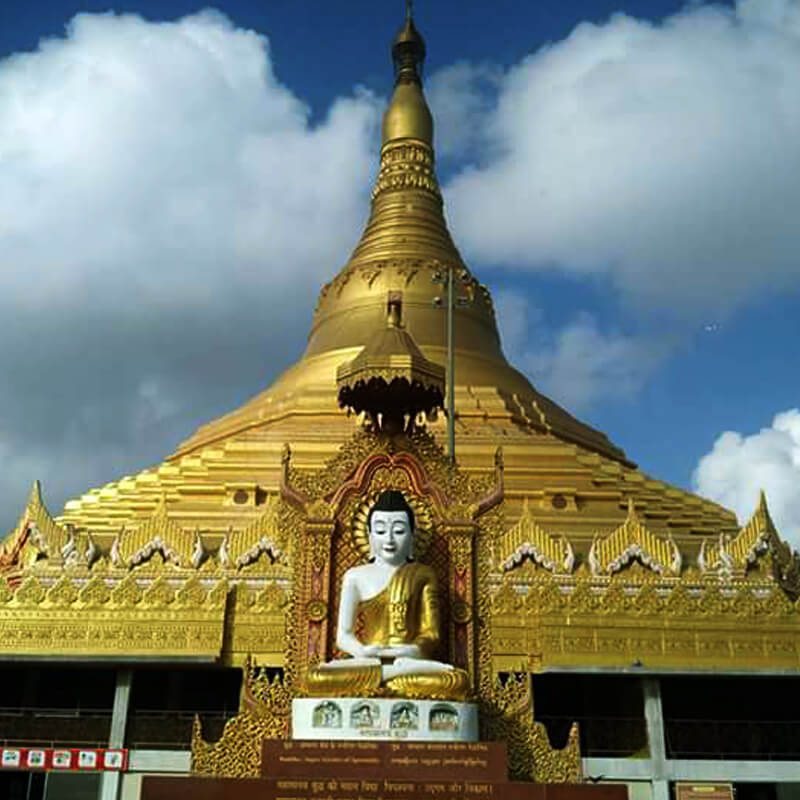
No phones, no books, no eye contact, no speaking. The most quietly difficult thing on this list — and the only one that changes you on the way out.
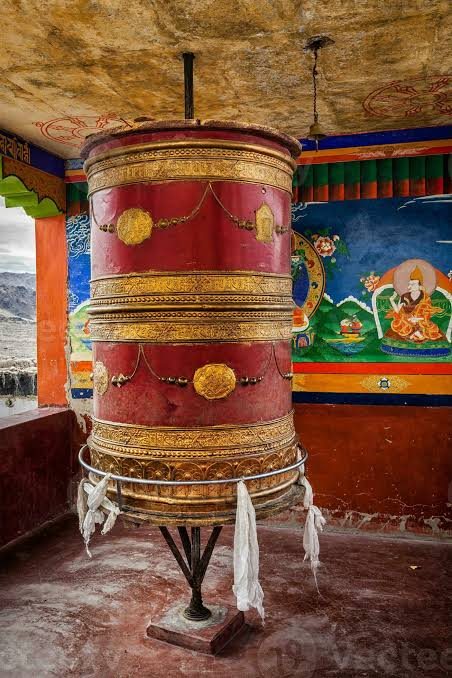
The 7 p.m. puja in the gompa courtyard. Then the prayer wheels, one at a time, around the perimeter, as the Indus turns gold below.
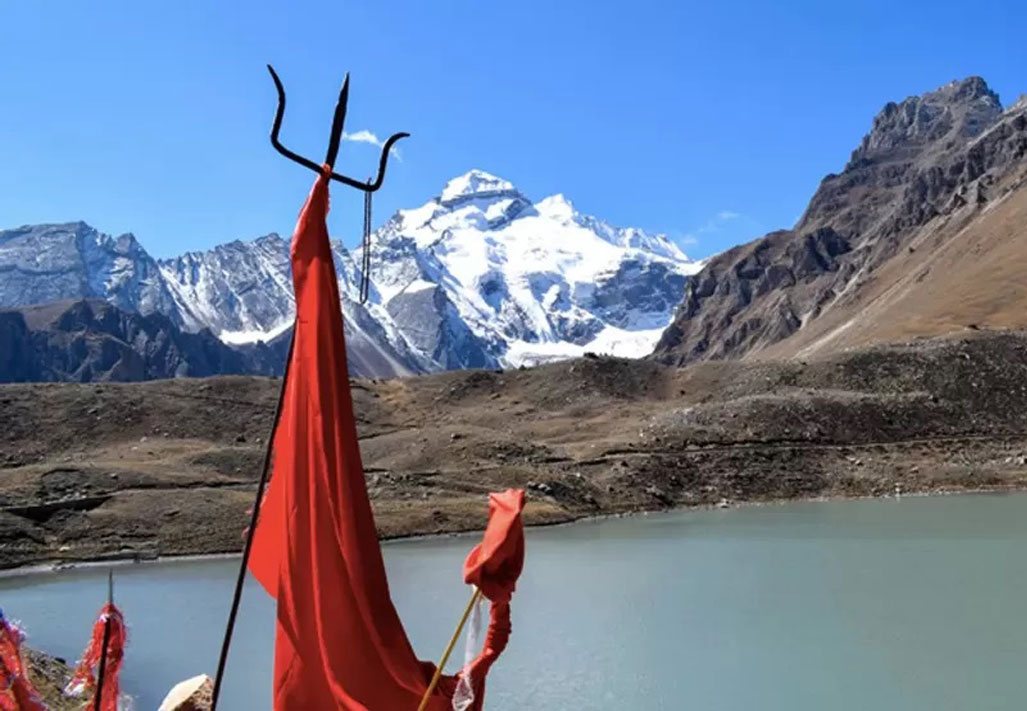
The five-peak holy circuit at 16,000 ft, opened to civilians only since 2023. The lesser-known sibling of Mount Kailash, and arguably the harder walk.
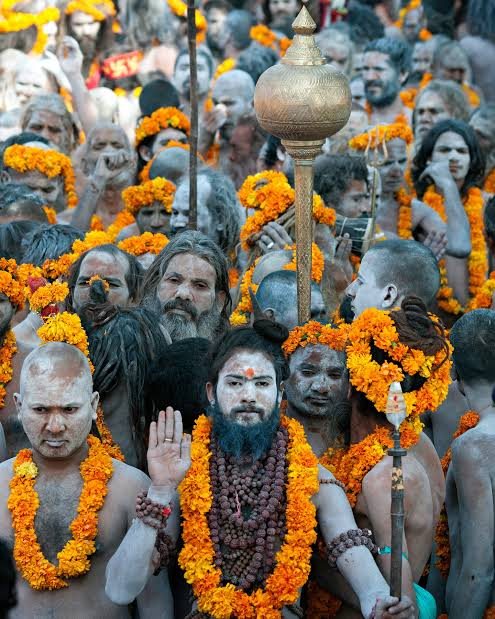
Not the Maha Kumbh — the smaller annual gathering. Easier to attend, harder to forget. The akharas, the river, the saffron-soaked dawn.
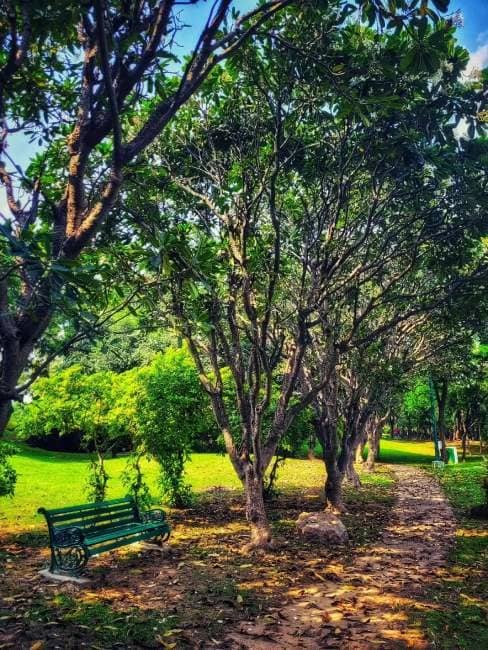
The last and best one. Choose any Iraava home. Stay seven nights. Eat with the family. Read the book you have carried for a year. Watch one season turn into the next.
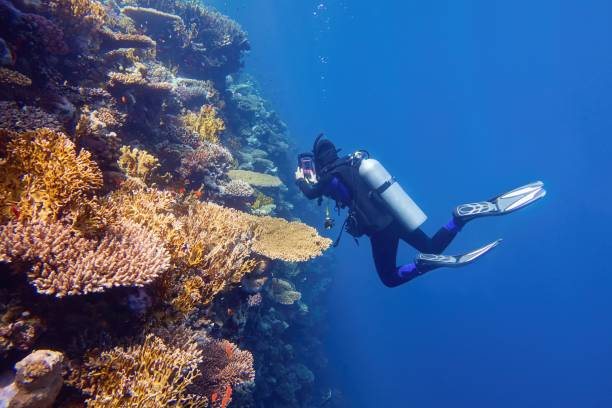
Visibility you stop trying to measure. Bumphead parrotfish, manta corridors, a soft-coral wall called the Wall of Wonder.
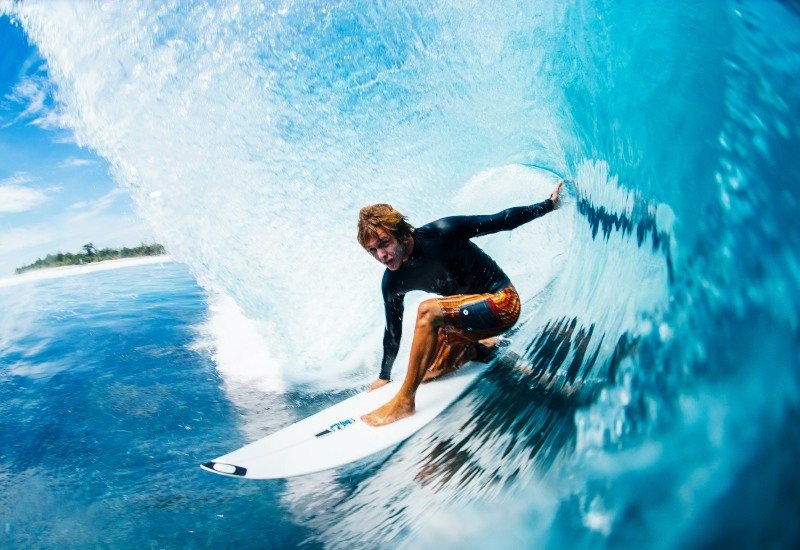
Three south Indian beach breaks, an Indo-Aussie surf school, and one of the country's only thriving female surf collectives.
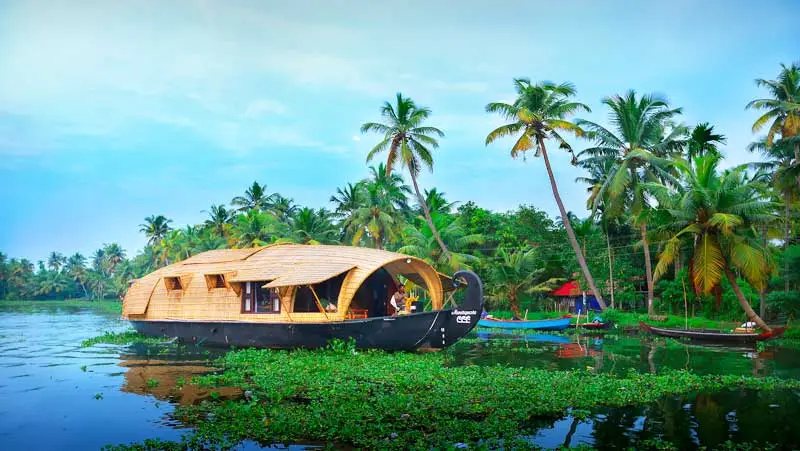
The conventional advice is one night. The right answer is three — long enough that you stop checking your phone, short enough that you're still in love with the boat.
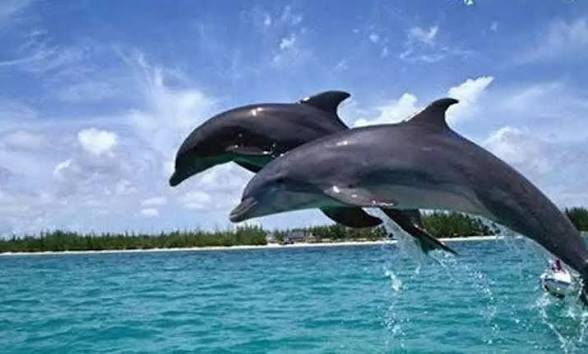
Asia's largest brackish lake, home to the rare Irrawaddy dolphin. Be on the boat before sunrise — listen for the breath before you see the back.
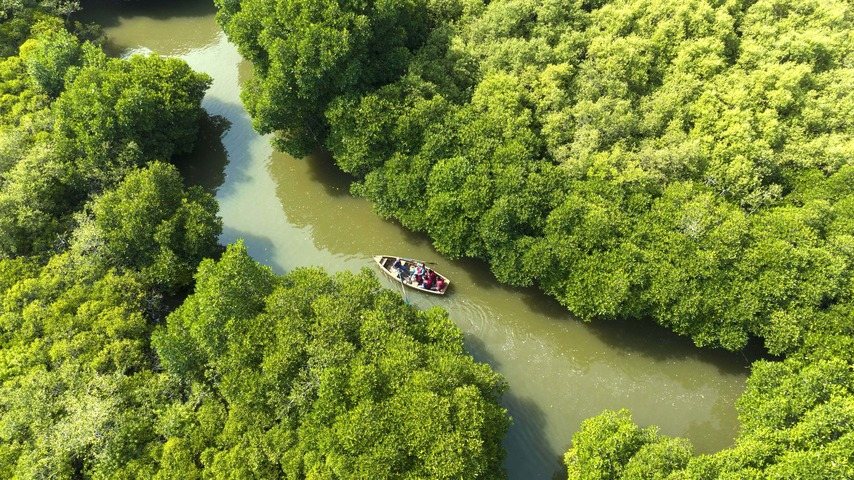
Two-person sit-on-tops, expert paddler at the back, narrow tidal channels too tight for the launches. The Sundarbans the way locals see it.
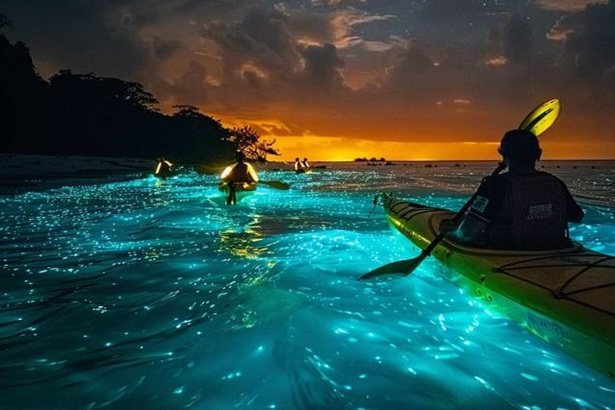
New-moon nights only. Every kick fires the plankton into blue light. You are swimming inside a slow-motion firework.
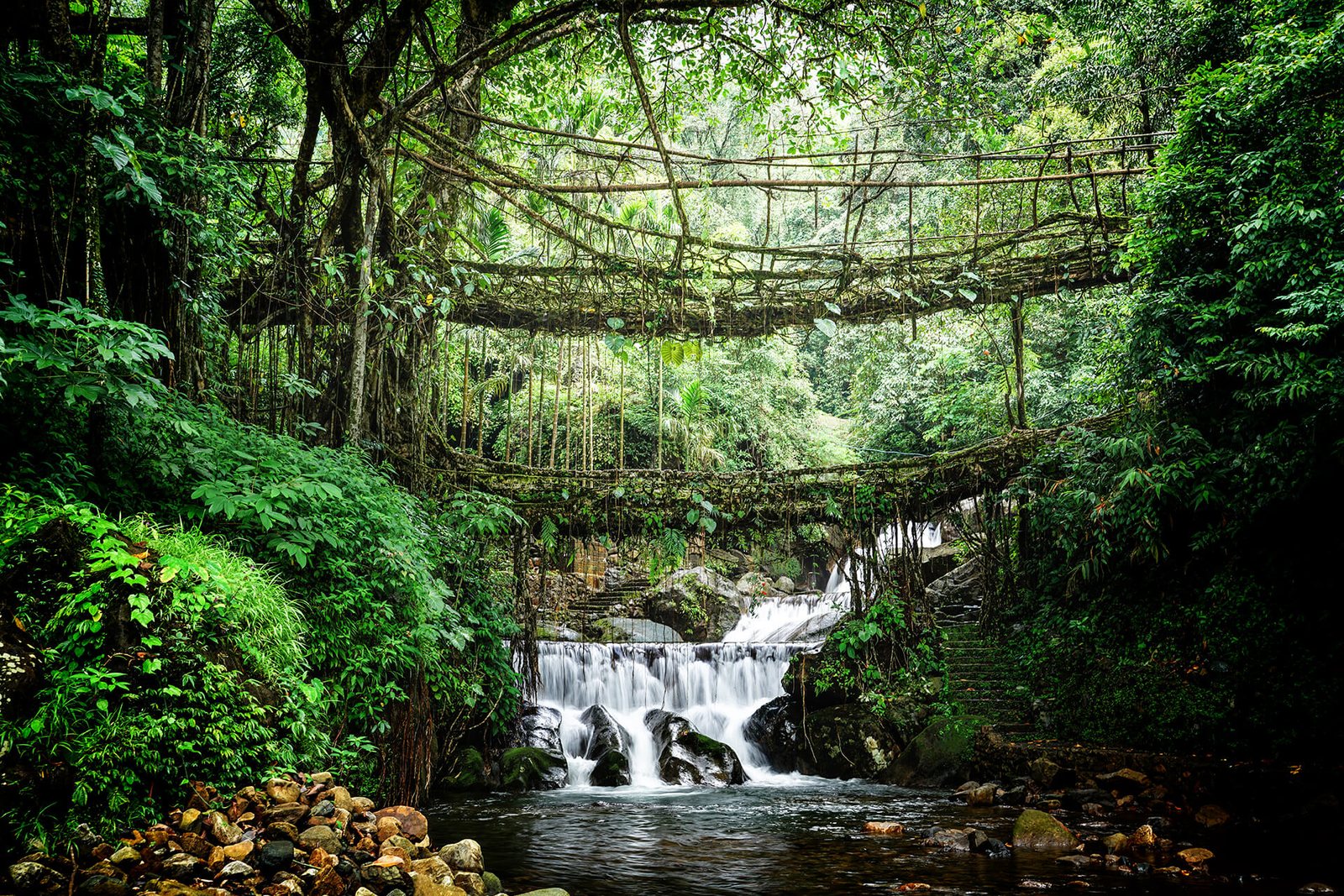
Bridges the Khasi tribe grew over decades from rubber fig roots. Slippery, alive, four hundred years old.
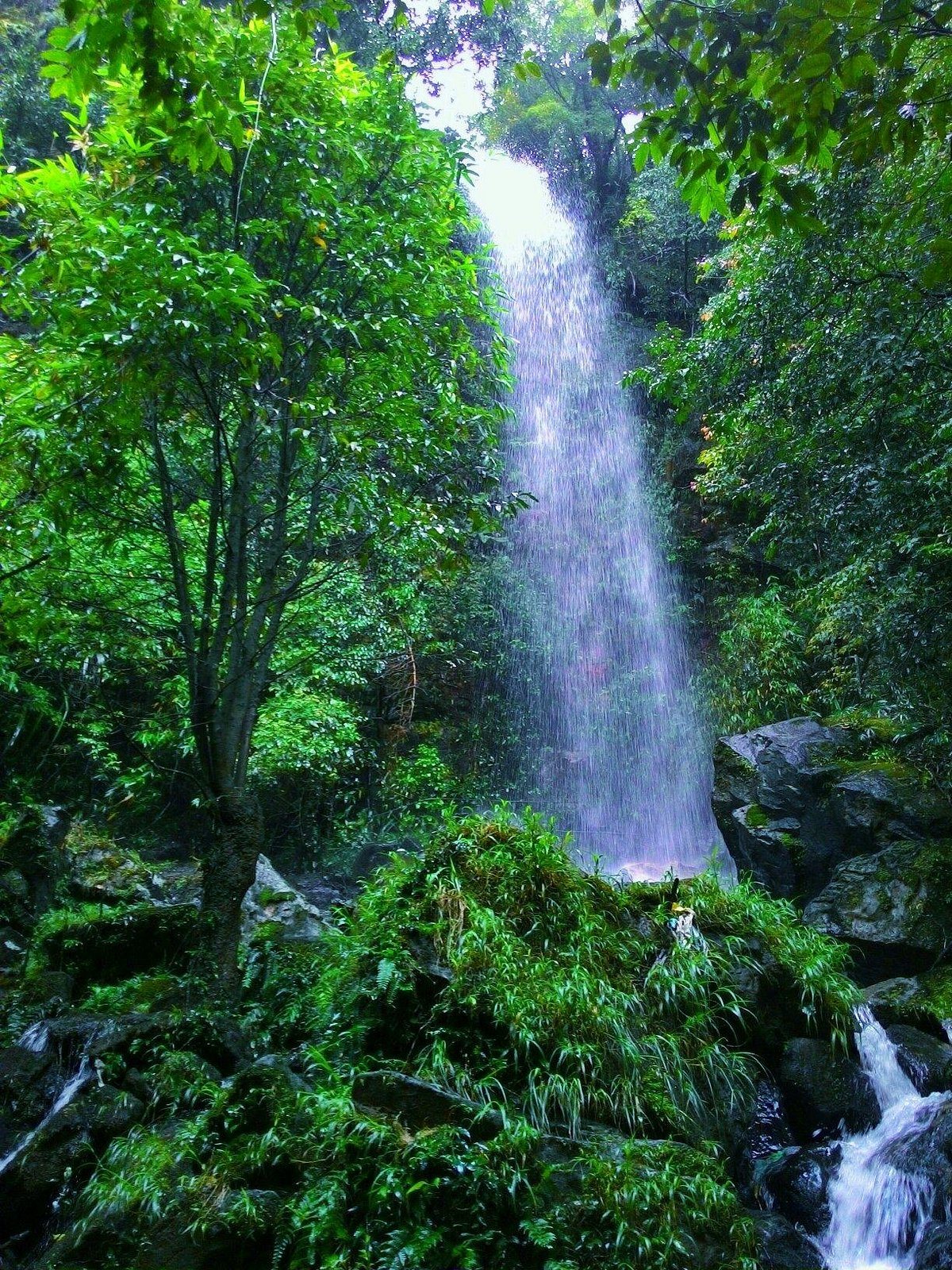
The cleanest village in Asia. Bamboo skywalks above the village floor, treehouses, the woman-led economy you came east to see.
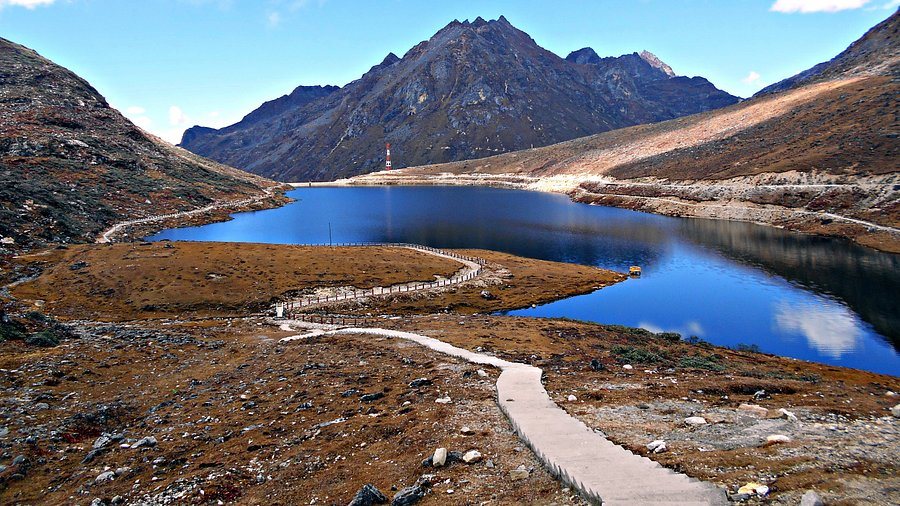
13,700 ft, the gateway to the eastern Himalayas, snow-blocked half the year. Special permits, three cultures, the highest monastery in India at the end.
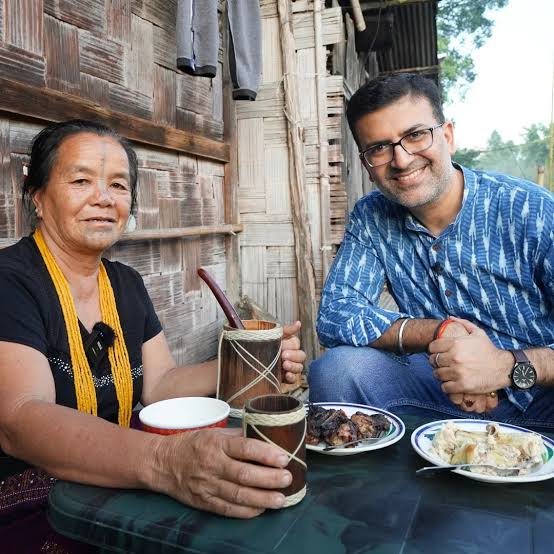
The Apatani tribal homeland — paddy-fish co-cultivation, facial tattoos with stories, the Ziro music festival in September.
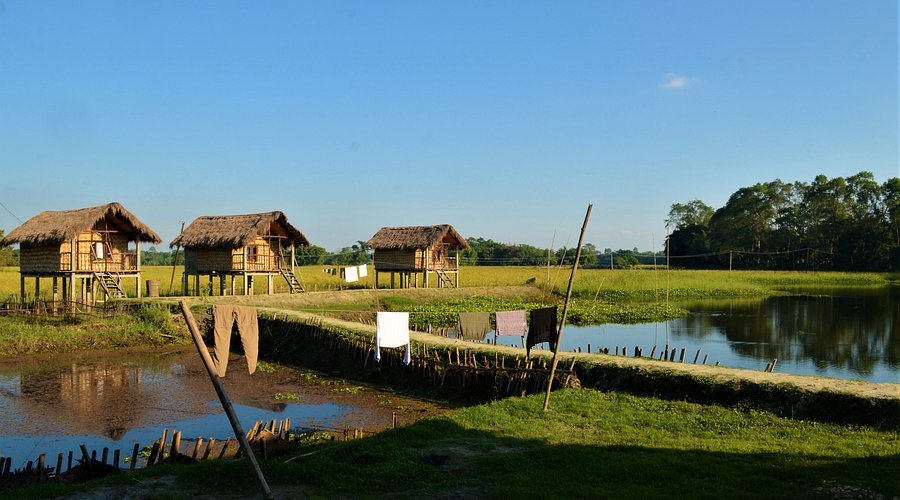
The world's largest river island, sinking a metre every monsoon. Stilt-house mask-makers, satras, and a culture racing the Brahmaputra.
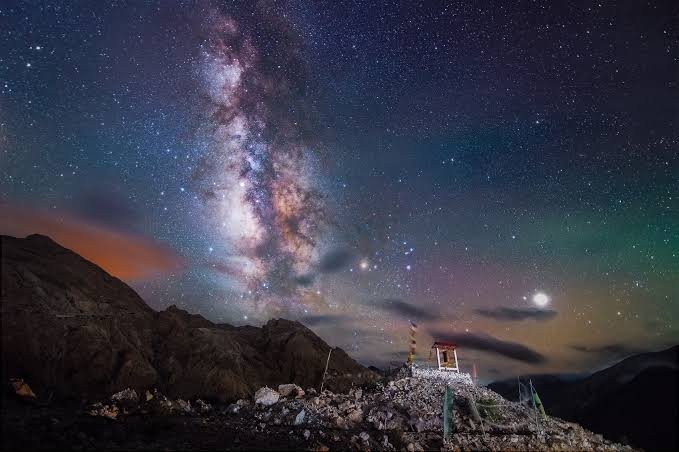
11,800 ft, glacial water, prayer flags. The lake holds the sky better than any photograph will admit.
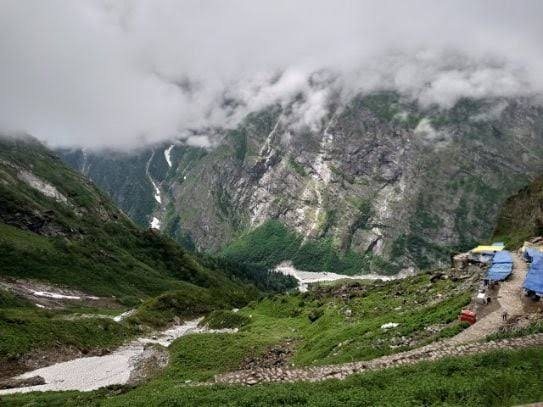
Three kilometres from the Tibet border. Saraswati river vanishes underground here. Sip butter tea in the world's last Indian tea shop.
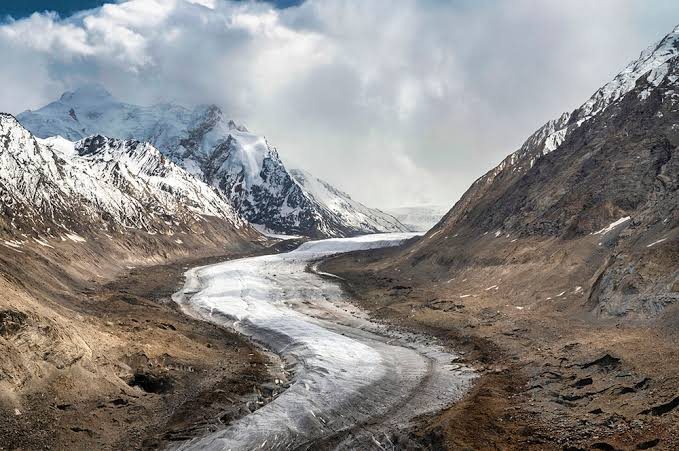
October — the last open weeks before the world's most dangerous winter road closes. Frozen rivers, copper-coloured cliffs, Phuktal monastery glued to rock.
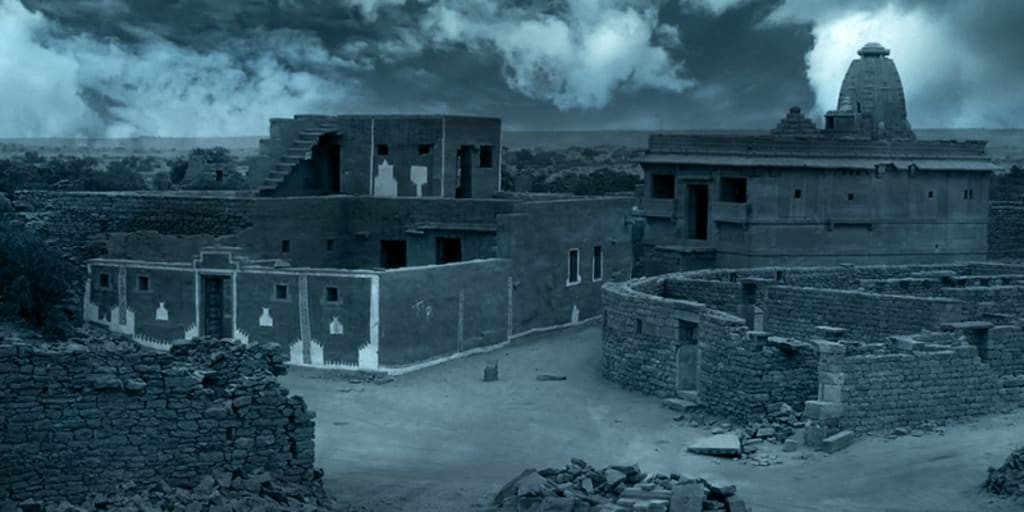
Evacuated overnight in 1825, cursed by its priests, never resettled. With a local guide, the desert ghost-town starts speaking.