Meppadi, Wayanad, Kerala
The Wayanad planter who feeds his guests at 6 a.m.
Breakfast on a working coffee estate is at six, non-negotiable, and after three days you understand it is not a quirk. It is the only hour the farm can spare you.
The confirmation email — one paragraph, no letterhead, sent from a phone — contained exactly one instruction, and it was in capitals. BREAKFAST 6 AM. I assumed, as I think most people do, that this was a suggestion dressed up as a rule, the sort of thing a place says to seem rustic. It is a rule. On the first morning I came down at seven and found a cleared table, a covered plate, and Joseph already out in the second block with a tarpaulin.
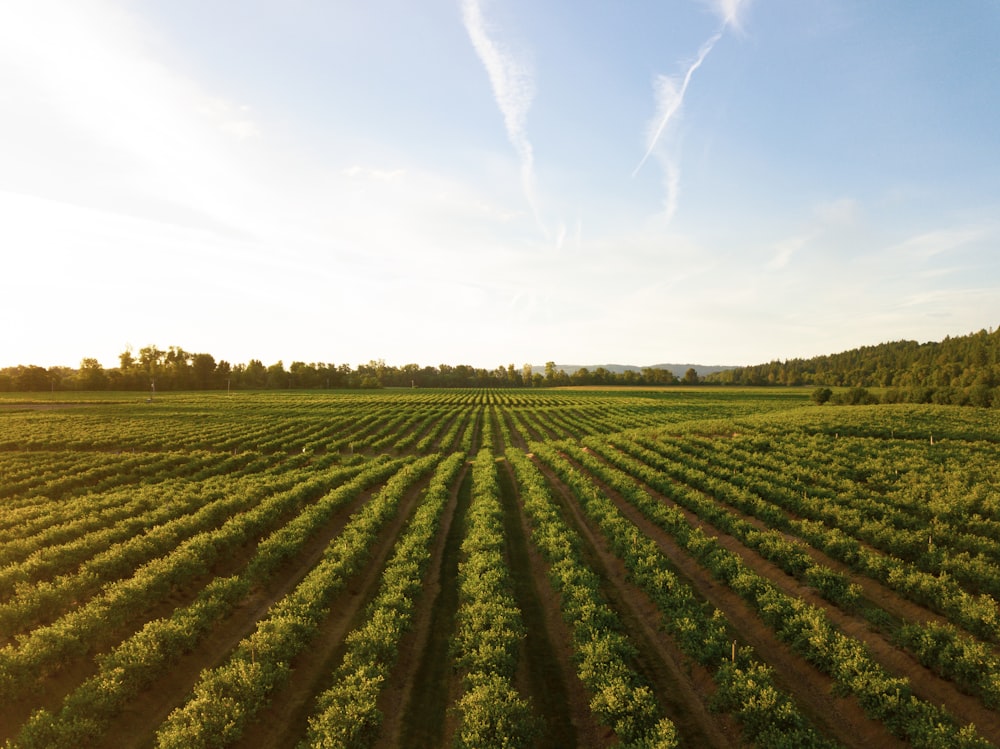
Joseph Varghese farms fourteen acres of arabica outside Meppadi, on a slope steep enough that the drying yard had to be cut into it in three terraces. His grandfather planted the oldest block in 1951. He took over in 2009, after eleven years in Bangalore doing something in logistics that he describes only as “fine,” and he started taking guests in 2016 because a bad year for coffee is a very bad year when coffee is the only thing you have.
Breakfast is at six because the coffee does not care what time you went to bed.
So: breakfast at six. Puttu, kadala curry, a banana, and coffee from the estate served without ceremony in the same steel tumblers the pickers use. And then he is gone until one, because the picking window in February runs from first light until the heat comes up, and the beans that are ready today are not going to be ready in the same way tomorrow. “Breakfast is at six because the coffee does not care what time you went to bed,” he told me, with the mild exasperation of a man who has explained this to a great many people from cities.
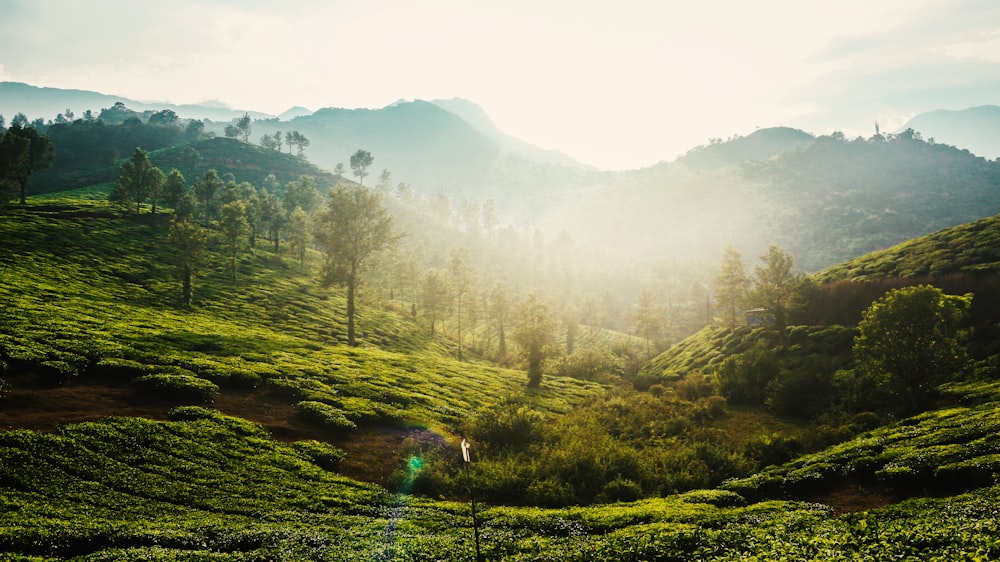
What is remarkable is what that does to the shape of a day. By seven you are outside, whether or not you meant to be. By eight the mist is coming off the ridge in long horizontal bands and you are watching thirty people move through a coffee block with a speed that makes your own morning look like an insult. Nobody organises an activity for you. You are simply awake, on a farm, at the hour a farm is at its best, and the estate assumes you have the sense to notice.
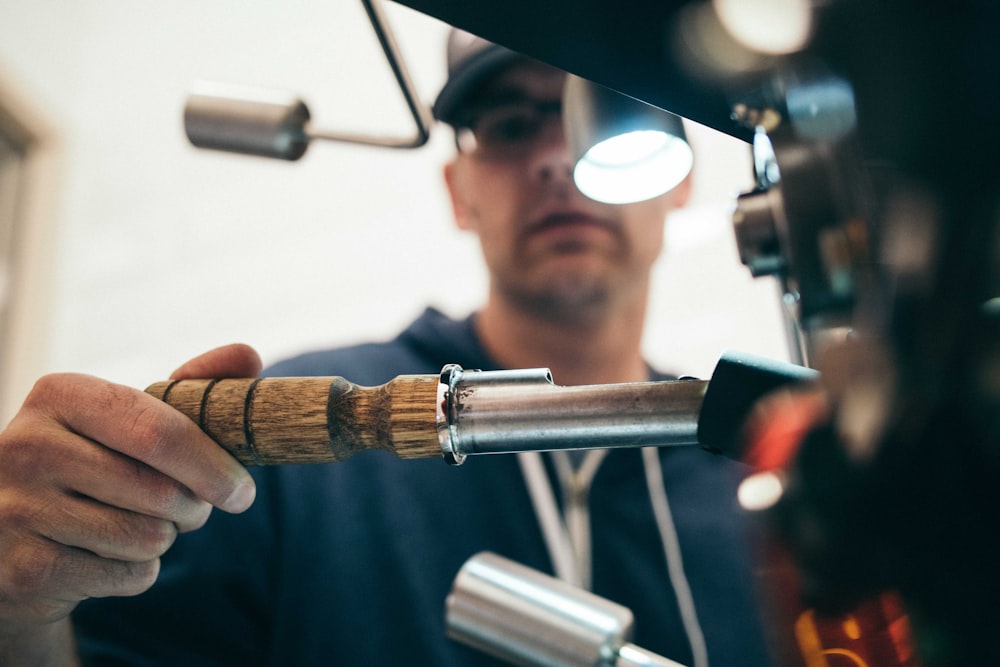
In the afternoons he does explain things, once the picking has stopped. How the cherries go into the pulper, and why the mucilage has to ferment for exactly as long as it has to ferment and not the number of hours a manual says. Why he sun-dries on the terraces instead of the concrete apron his neighbour built, and why he will lose an entire day's picking to a single unforecast shower in a way that a larger farm simply would not. He is precise about all of it and entirely unsentimental. It took me until the third day to realise he was not performing expertise for a guest; he was thinking out loud about a problem, and I happened to be standing there.
The rooms are three converted outbuildings, plain and very clean, with a shared veranda that looks down the valley toward Chembra. There is hot water in the evening. There is no wifi in the rooms and a functional connection in the main house, which Joseph mentions in the way other places mention a spa. His wife Elsy does the lunches, which are the best meals of the day and the ones he is never around for.
I left on a Sunday, at six-fifteen in the morning, because that was when everyone was already up. Joseph shook my hand at the top of the drive with a tarpaulin over one shoulder and was walking back down to the second block before the car had turned around. I have stayed in places that were far more comfortable and cost four times as much, and I remember almost nothing about any of them. I can still tell you what that estate smells like at six in the morning: wet laterite, woodsmoke, and about four hundred kilos of drying coffee.
Somewhere like this?
We list a small number of homes across all seven terrains, from the Himalayas to the cities. Every home is chosen by a person, not an algorithm — pick your dates, pay once, and the stay is confirmed on the spot.