Thirunelly, Wayanad, Kerala
The bee-keeper of Wayanad's last cardamom forest.
Stingless bees produce a spoonful of honey a month. Balan keeps forty colonies of them in hollow bamboo, and can tell you which week of which month each spoonful came from.
The hives do not look like hives. They look like forty lengths of bamboo, capped at both ends with clay, stacked on a rack under the eaves of a shed, and if Balan had not pointed at them I would have walked past assuming they were building material. Then he leaned in close to one and I saw the traffic: a thin, continuous stream of insects the size of a grain of rice, in and out of a wax funnel no wider than a pencil.
These are cheruthen bees — Tetragonula, stingless, native, and about a fifth the size of the Apis everyone pictures. They do not sting because they cannot. What they do instead, if you annoy them, is get into your hair and your ears in numbers, which Balan demonstrated by breathing on a hive and then spending the next minute laughing at me.
Stingless bees make a spoonful a month. He talks about that spoonful the way other men talk about a harvest.
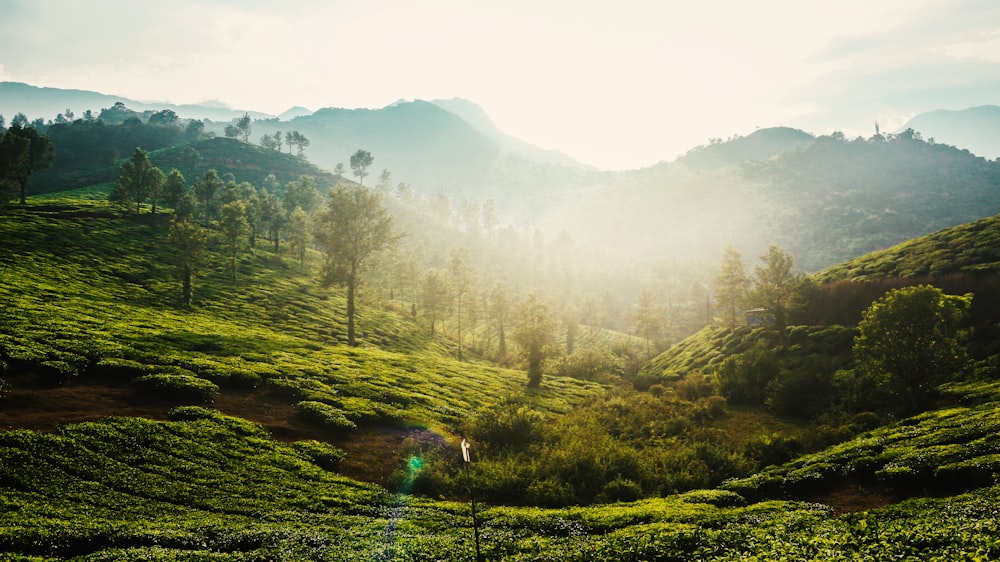
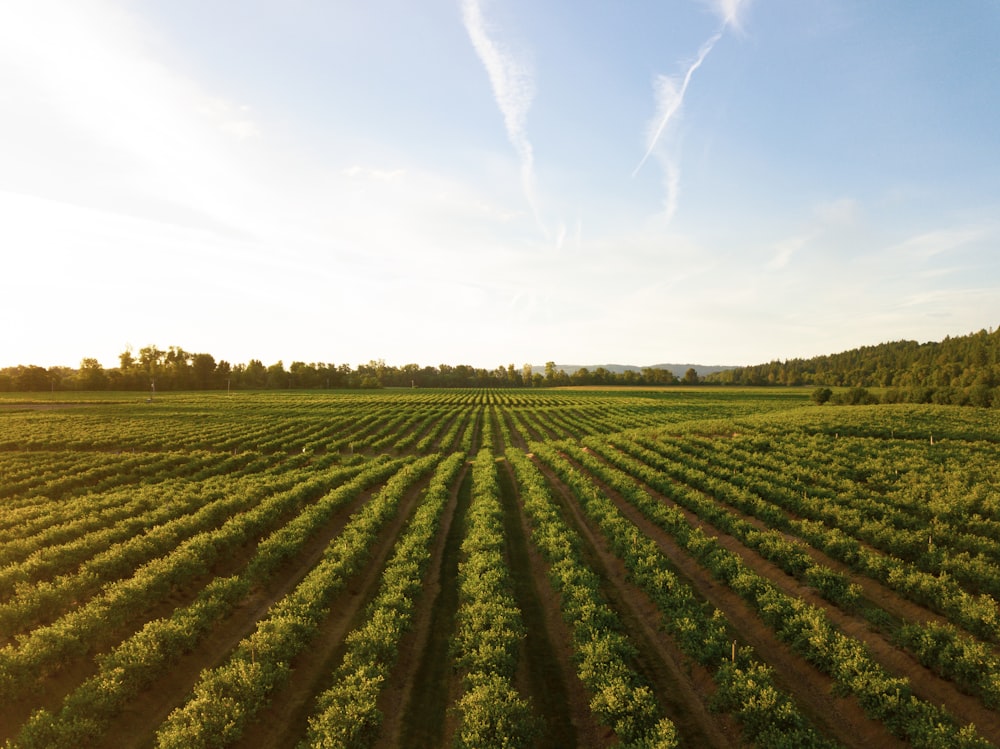
Balan Chetan has forty colonies scattered across two acres of cardamom under a canopy of jack, wild mango and a very large ficus that he treats with visible deference. Cardamom needs shade and needs pollination, and the arrangement between the crop and the bees predates any arrangement he made with either. His father farmed the same plot. The difference is that his father had, by Balan's estimate, five or six neighbours doing the same thing on the same hill, and Balan now has one.
The economics are absurd and he knows it. A stingless colony yields perhaps three hundred grams of honey in a year, against ten or fifteen kilos from a European honeybee hive. Three hundred grams. Forty colonies. He does not sell it in shops. It goes, in small dark bottles, to people who come to the farm, plus a quantity that is given away for coughs and for children, which appears to be a large share of the total. “Stingless bees make a spoonful a month,” he said, and then talked about that spoonful for twenty minutes the way other men talk about a harvest.
It is worth it because the honey is not the same substance. It is thin, sharp, distinctly sour behind the sweetness, and it tastes of the specific flowering that was happening when it was made. He opened three bottles for me: one from January, thin and almost citrus; one from the cardamom flowering in May, heavier and floral; one from the tail of the monsoon that was dark and tasted faintly of tamarind. He knew which was which without labels, from the colour.
What he is actually maintaining, though, is the canopy. Cardamom under shade trees is a slow, low-yield, labour-heavy way to farm in a district where the alternative — clear the canopy, plant coffee or ginger or, increasingly, nothing at all and sell to a resort — is available to him every week. Two of his neighbours took that option in the last four years. He is entirely unromantic about their reasons. He is also, at sixty-three, doing all the harvesting himself, because his son works in Bengaluru and is not coming back.
Guests stay in two rooms at the side of the house and are put to work if they want to be, which mostly means holding things and being told to stand further away. I was there for four days and did nothing of any use. On the last afternoon he cut open a colony to show me the brood — a cluster of resin-brown cells like a tiny grape bunch — and resealed it with a mixture of wax and tree resin he had been carrying in a matchbox. The whole procedure took ninety seconds. He has done it, he thinks, several thousand times.
Somewhere like this?
We list a small number of homes across all seven terrains, from the Himalayas to the cities. Every home is chosen by a person, not an algorithm — pick your dates, pay once, and the stay is confirmed on the spot.