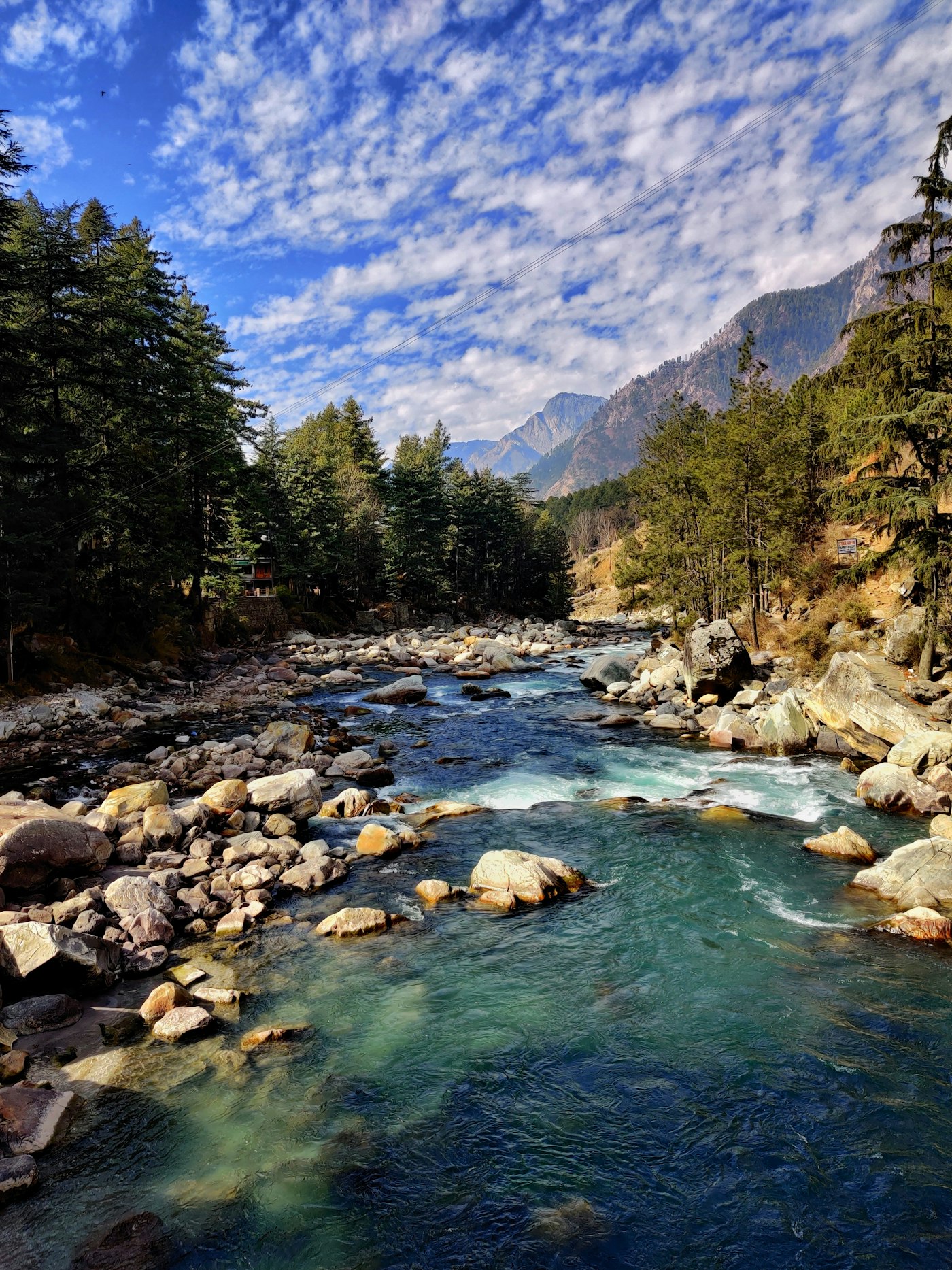
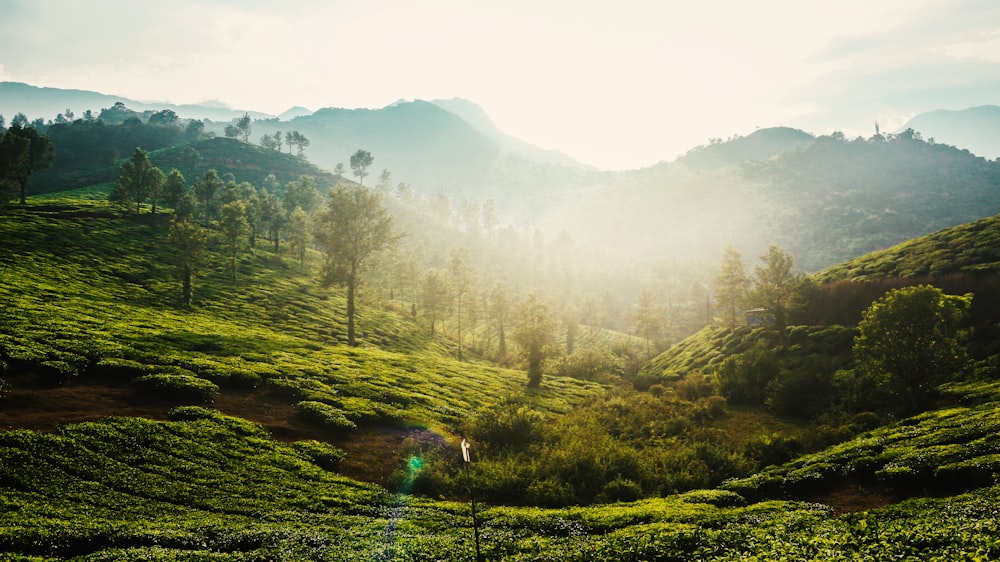
Near Sohra (Cherrapunji), Meghalaya
A Khasi grandmother who turned her kitchen into a school.
Three guests a week, no notebooks allowed, and a rule about paying attention that turns out to be the whole curriculum.
The shared taxi from Shillong takes two hours and puts you down on the highway, and then there is a road that a car will do in the dry season and an argument in any other. I went in March, at the front edge of the rain, and walked the last stretch with a bag over my head while a boy of about fourteen carried my actual luggage and declined, with great firmness, to let me carry any of it.
Sohra gets, on the long average, eleven and a half metres of rain a year, which is a number that means nothing until you have watched what it does to a hillside. The village sits on a shelf above a gorge that drops into Bangladesh, and on a clear March morning you can see the plains down there, flat and hazy and a different country. By late afternoon the cloud comes up the gorge rather than down onto it, which is a thing I had never seen and could not stop watching.
She did not give us a recipe. She gave us a morning, and expected us to pay attention.
Kong Bah — everyone calls her Kong Bah, though her name is Baiaphi — lives in a village twenty kilometres east of Cherrapunji, in a house that has been in her family for four generations. The kitchen is at the back: a wood-burning stove, three blackened pots, a shelf of dried things in unlabelled jars, and a window that frames the valley like a painting no one asked to be made.
She takes three guests a week, maximum, and the rule is simple: you sit in the kitchen while she cooks. You do not help unless she asks. You do not write things down. I asked her about this policy on the first morning and she shrugged. “If you write it, you will read the paper instead of smelling the smoke.” The smoke that morning was from smoked bamboo shoots, which she was softening in water before adding to a pork curry so slow-cooked it had begun to resemble a stew from another century.
What she cooks is not the Khasi food of a Shillong restaurant, which she describes, with a small movement of one hand, as being for people who want to eat quickly. Almost everything is either smoked, fermented, foraged or all three, and almost none of it uses an ingredient that arrived by truck. There is no onion in most of it. There is no garam masala at all. The heat comes from a local chilli she grows and dries and which she handed me one of, whole, on the second day, in a gesture I now understand to have been a test.
The school part of it is not a metaphor and it is not for visitors. Three afternoons a week, four or five girls from the village — thirteen, fourteen, one who was eleven and mostly there for the company — come and sit in the same kitchen and are taught the same way, which is to say they are taught nothing and shown everything. Kong Bah's own daughters are in Shillong and Guwahati and do not cook any of this. She started the afternoons in 2019, she said, because she counted the households in the village that still smoked their own bamboo and got to four.
I asked whether the girls were interested. She said two of them were, one was there because her mother sent her, and one — the eleven-year-old — was going to be the one who kept it, though she could not say why she thought that. Then she said something that I have not been able to put down since: that she was not teaching them to cook, because they could all cook. She was teaching them what the forest above the village has in it in each month, which is a different body of knowledge entirely, and the one that goes first.
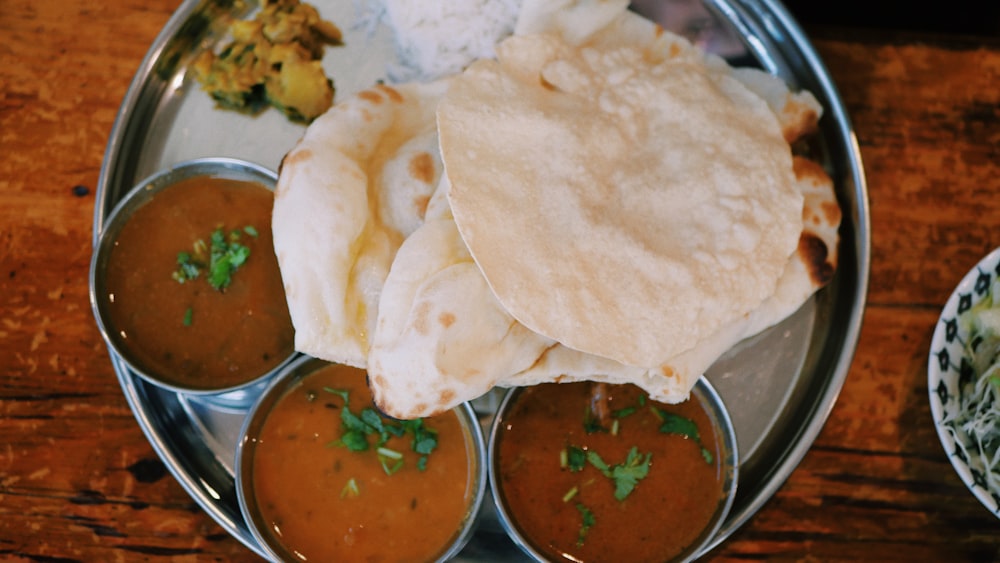
The meal she produced — three hours in the making — lasted forty minutes. Wild mushrooms she had foraged the previous afternoon. Fermented soybean paste she called tungrymbai, which smelled terrifying and tasted like the earth learning to speak. Rice cooked in a banana leaf. A thin broth of ginger and dried fish that cleared the sinuses and the mind in equal measure.
The rain started properly on my third afternoon, an hour ahead of the forecast, and the house did the thing that houses here do: it simply absorbed it. Windows shut, a cloth put along the base of one door, the fire built up, and no further comment. I sat in the kitchen for four hours while it came down on a tin roof at a volume that made conversation an act of will, and Kong Bah shelled something and hummed and occasionally said a sentence I could not hear and did not repeat.
It is worth being plain about what this costs her. Three guests a week, at a rate she set herself and has raised once, is not a living; her son sends money from Dubai and that is what the house runs on. What the guests do is make the afternoons defensible — they turn a kitchen that would otherwise be an old woman cooking for herself into a room that has a reason to be lit and stocked and hot four or five days a week. She said this without any prompting and without any suggestion that I should feel implicated by it, which of course I did.
Before I left she pressed a small jar of the tungrymbai into my bag. “Don't open on the train,” she said. She had clearly given this advice before. The jar survived the journey. It tasted different at home — not worse, just smaller, as if Meghalaya had stayed partly inside it. I think of Kong Bah every time I open a jar of anything now. I think of what it means to cook for strangers and expect nothing except their full attention.
Somewhere like this?
We list a small number of homes across all seven terrains, from the Himalayas to the cities. Every home is chosen by a person, not an algorithm — pick your dates, pay once, and the stay is confirmed on the spot.