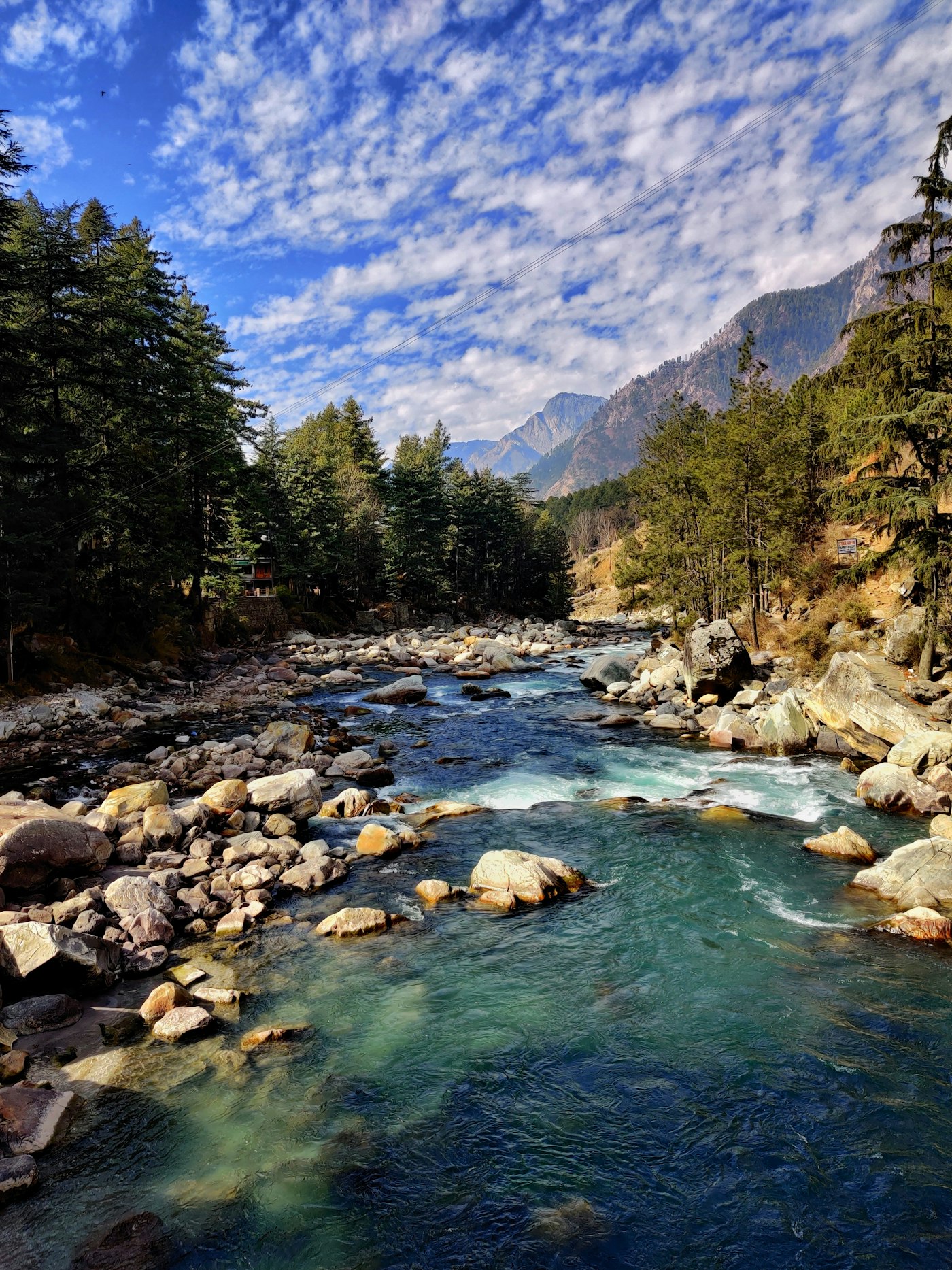
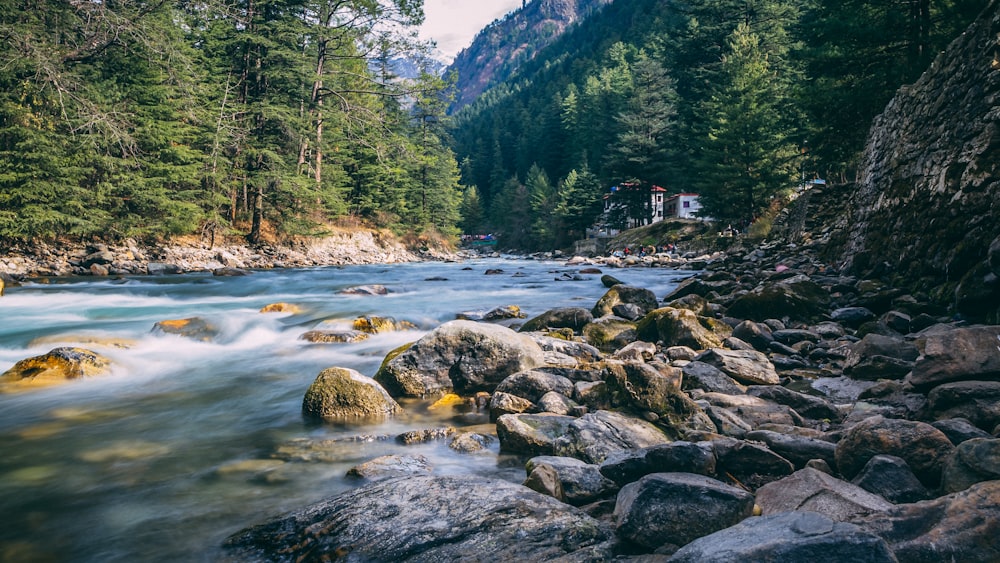
Dal Lake, Srinagar, Jammu & Kashmir
Winter dinners on a Dal Lake houseboat.
Most of the boats shut for the winter. On the one that stays open, dinner is for four, the phone stays in a drawer, and the lake is closer than it is in any postcard.
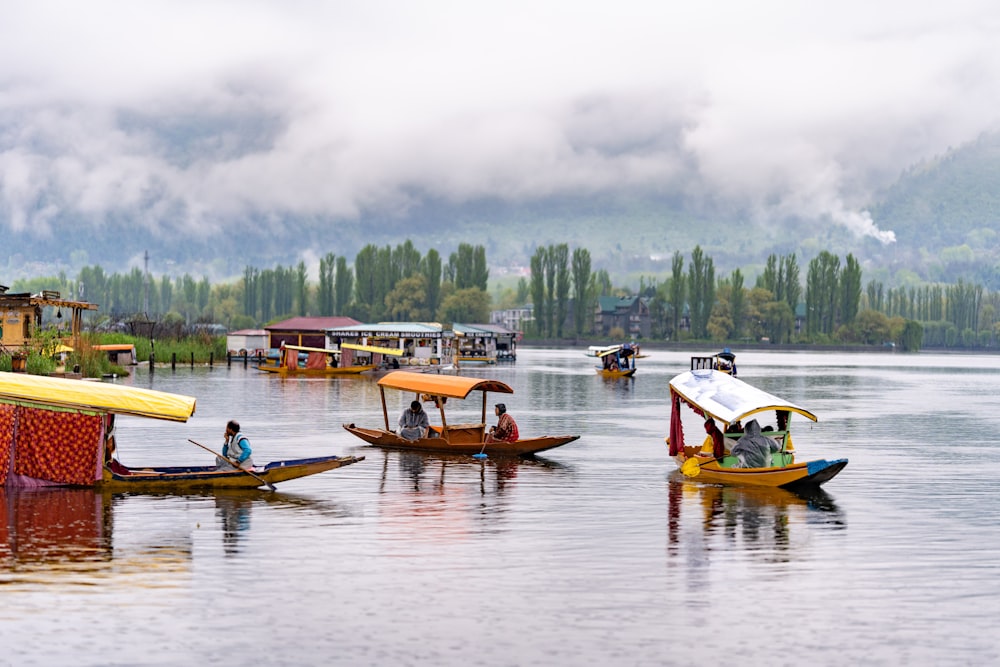
I arrived in Srinagar on the second of January to a city that had, as far as I could tell, decided to stop. The shikara ghat at Nehru Park had four boats on it where in June there are two hundred. Half the houseboats on the Boulevard side were shuttered, tarpaulined and visibly empty, waiting out the chillai kalan — the forty harshest days of the Kashmiri winter, which run from late December and which everybody counts.
The reason to come in this season is not the cold, exactly. It is that Srinagar in January is a city doing its own business. The bakeries on the way to Rainawari are working from four in the morning and there is a queue at each of them at six. The Sunday market at the foot of the Zabarwan is half its summer size and entirely local. Nobody is selling you a shikara ride at the ghat, because there is nobody to sell one to, and the man who would have sold it to you in June is sitting inside a shop drinking noon chai and will talk to you for an hour.
The lake had begun to freeze at the edges, which made the lights from Srinagar look like they were painted on glass.
The houseboat is called Gulshan-e-Kashmir, which is the kind of name that would be embarrassing anywhere else and is here somehow exactly right. My host — whose family has run the boat since his grandfather fitted it with the carved walnut ceiling in 1961 — is a man called Bashir who speaks in full sentences and refuses to carry a phone during dinner. His reasoning: “If something important happens, someone will shout.”
In January, Dal Lake is a different body of water than the one on the postcards. The shikaras move slowly through a skin of early ice. The vendors who usually work the lake are largely gone. The mountains, stripped of summer haze, stand so close you feel you could rearrange them. Bashir serves dinner for four at a time, a formal affair at a table set with cloth napkins and mismatched silver that his mother assembled, piece by piece, from the old Raj-era shops in Lal Chowk.
The boat is a hundred and twenty feet of deodar and walnut, built in a period when the British could not own land in Kashmir and so, notoriously, took to living on the water instead. Four bedrooms, a drawing room with furniture that has not moved in decades, and a ceiling in the dining room that took two men eleven months in 1961 and is the single most beautiful object I saw in three weeks in the valley. Bashir gets it re-caulked every third year by a family in Nowhatta who do nothing else and who he refers to, without irony, as young men, because the eldest is fifty-eight.
Almost nobody else on his stretch of the lake stays open. It is not sentiment: he explained the arithmetic over tea on the first afternoon, unprompted and in some detail. A boat that shuts in November still has to be pumped, heated enough not to split its timbers, and watched. The staff who go home in winter do not always come back in April. Staying open through the cold months means four or six guests a week at a rate that barely clears the kerosene, and it means the boat is warm, dry and occupied, and it means he keeps the same two people employed all year. He is the third generation to make that calculation and he is fairly sure he is the last on that row still making it.
The wazwan he serves is a seven-course Kashmiri ceremony in miniature: seekh kebab, tabak maaz (fried ribs, extraordinarily good), rogan josh with an oil sheen the colour of autumn, followed by a lamb yakhni so delicate it seemed to have been persuaded rather than cooked into existence. He talks about each dish the way a careful person talks about family: not proudly, exactly, but with a sense of responsibility toward the past.
Some of the courses are, he admits freely, not really wazwan at all. A full wazwan is thirty-odd dishes cooked by a waza and his team for a wedding of four hundred, over two days, and no houseboat has ever served one. What he does is a domestic version — seven dishes his mother cooked, in the order she cooked them — and he is careful to say so before anyone can be impressed by the wrong thing. When I asked whether guests understood the difference, he said most did not, and that it did not matter as long as he did.
There is no central heating on a houseboat and there was never going to be. What there is: a bukhari in the dining room fed with wood through the evening, hot water bottles put into the beds an hour before you get into them without anyone mentioning it, quilts of a weight that pins you in place, and a kangri — the willow-basket firepot Kashmiris carry under a pheran — handed to you at dusk with the assumption that you know what to do with it. I did not, on the first evening, and was shown, and by the third I was carrying it around the boat like everybody else.
The lake itself is not well, and he will tell you so unprompted and at length. Dal has lost something over half its open water in a century to encroachment, silt off the catchment, and the floating gardens that are both a heritage practice and, in volume, a serious nutrient problem. He grew up swimming off the back of this boat in July. He would not now. He is not resigned about it — he is on a committee, he has views about the dredging contracts, and he was still talking about it when the kahwa arrived.
After dinner we sat on the small deck at the stern with kangris in our laps, watching the ice form. The temperature was minus seven. The city across the water made no sound at all. Bashir refilled my kahwa without asking. “People always ask me if it is lonely in winter,” he said eventually. “I tell them: the lake is still here. What more do you need?” I had no answer to that, which felt, for once, like the right response.
Somewhere like this?
We list a small number of homes across all seven terrains, from the Himalayas to the cities. Every home is chosen by a person, not an algorithm — pick your dates, pay once, and the stay is confirmed on the spot.